Guides
Five steps, one road: how a Kaitu plan works
From a first, free conversation to your first day abroad — and every goal after it. Scroll the road to see how a Kaitu plan unfolds, step by step.
From a first, free conversation to your first day abroad — and every goal after it. Scroll the road to see how a Kaitu plan unfolds, step by step.
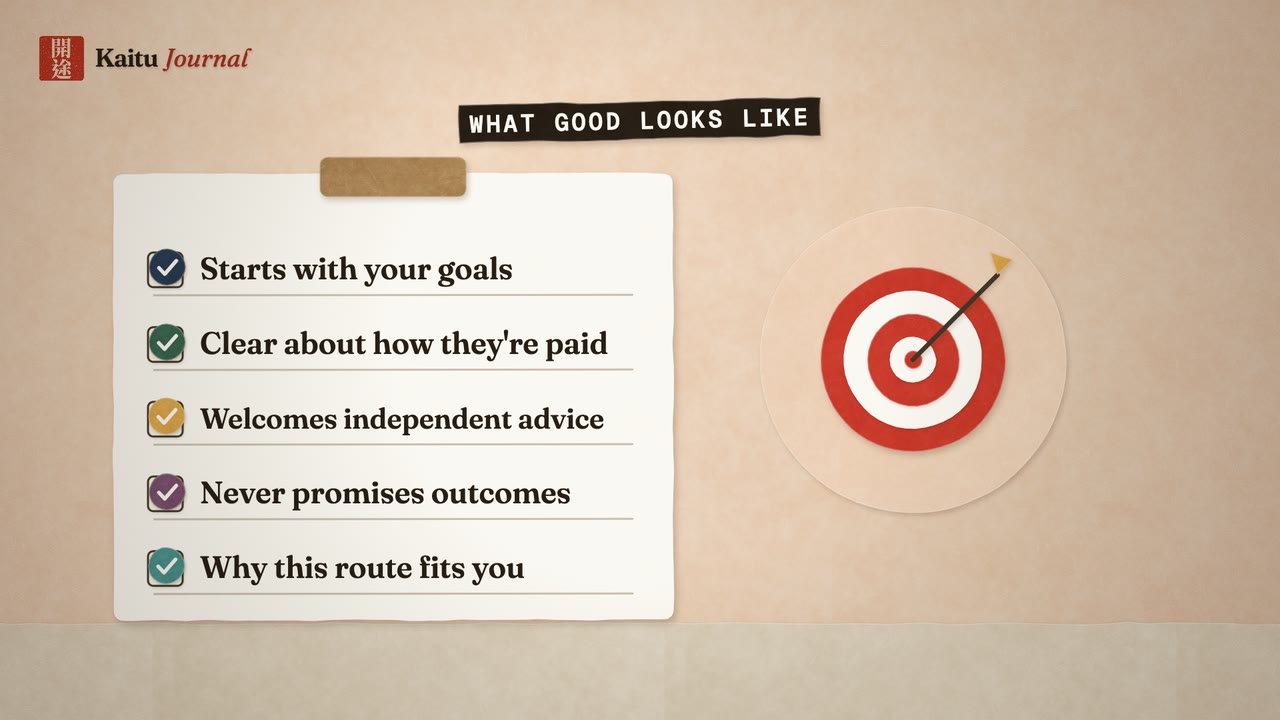
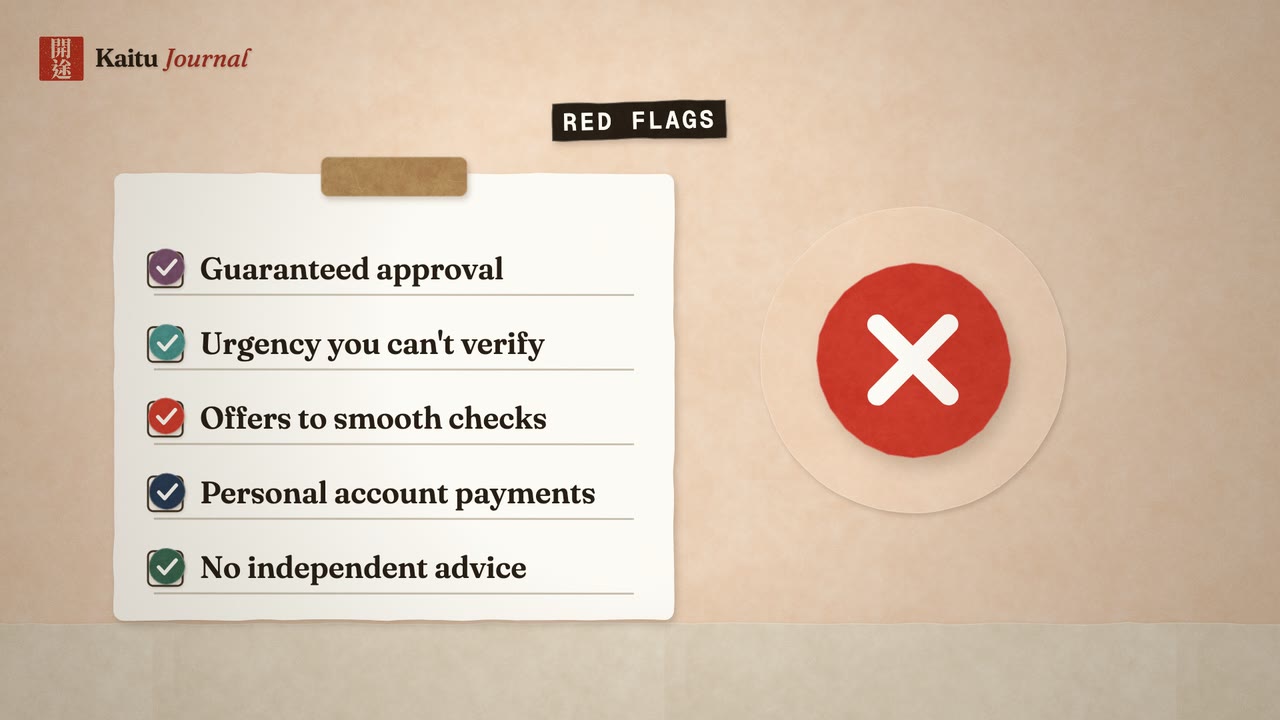
The adviser you choose shapes the whole experience, from programme selection to due diligence. The warning signs to look out for, and what good professionals do instead.
Gaining a second nationality can, in some cases, cost you your first. Why checking your home country's position should come before anything else, and the other checks worth making early.
Rankings are a starting point, not a strategy. Here is the framework our consultants use to build balanced, confident shortlists.
A home for our news, practical guides and honest perspective on studying, living and building a life abroad.
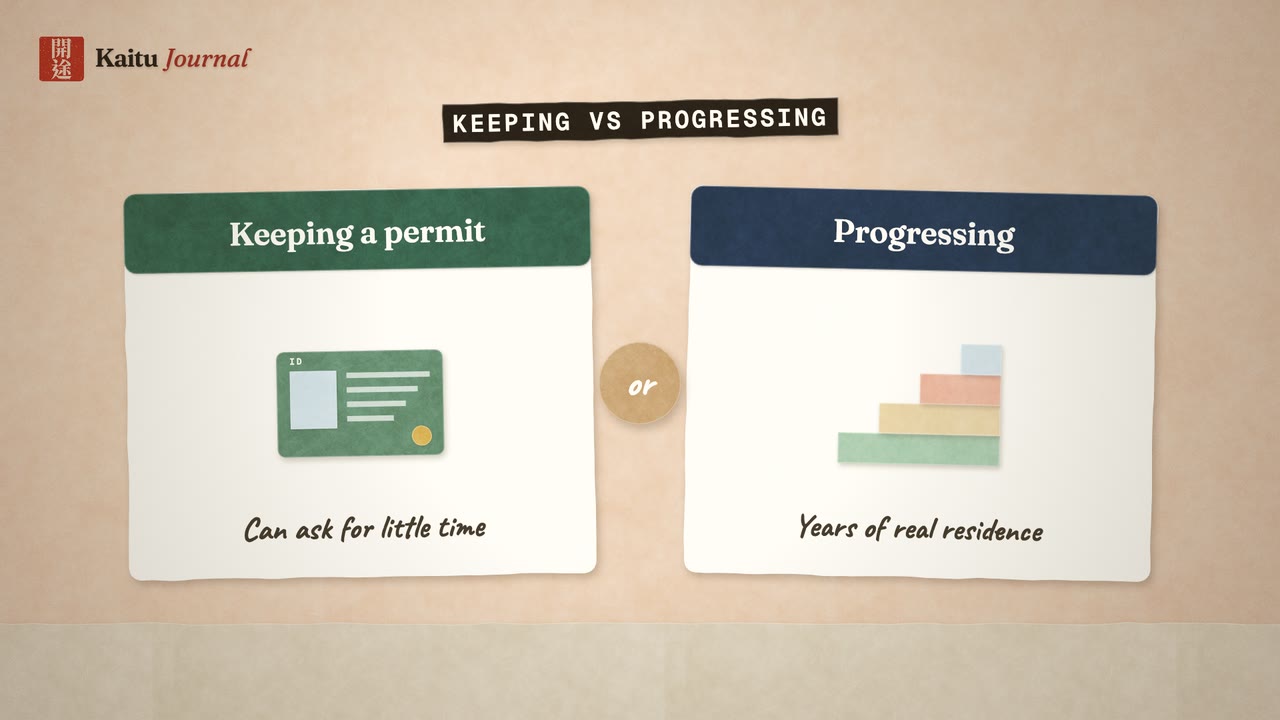
Two routes that are often mentioned together but serve different goals. A plain-language guide to choosing between them.
Why governments look so closely at every applicant — and how good preparation turns a stressful stage into a straightforward one.
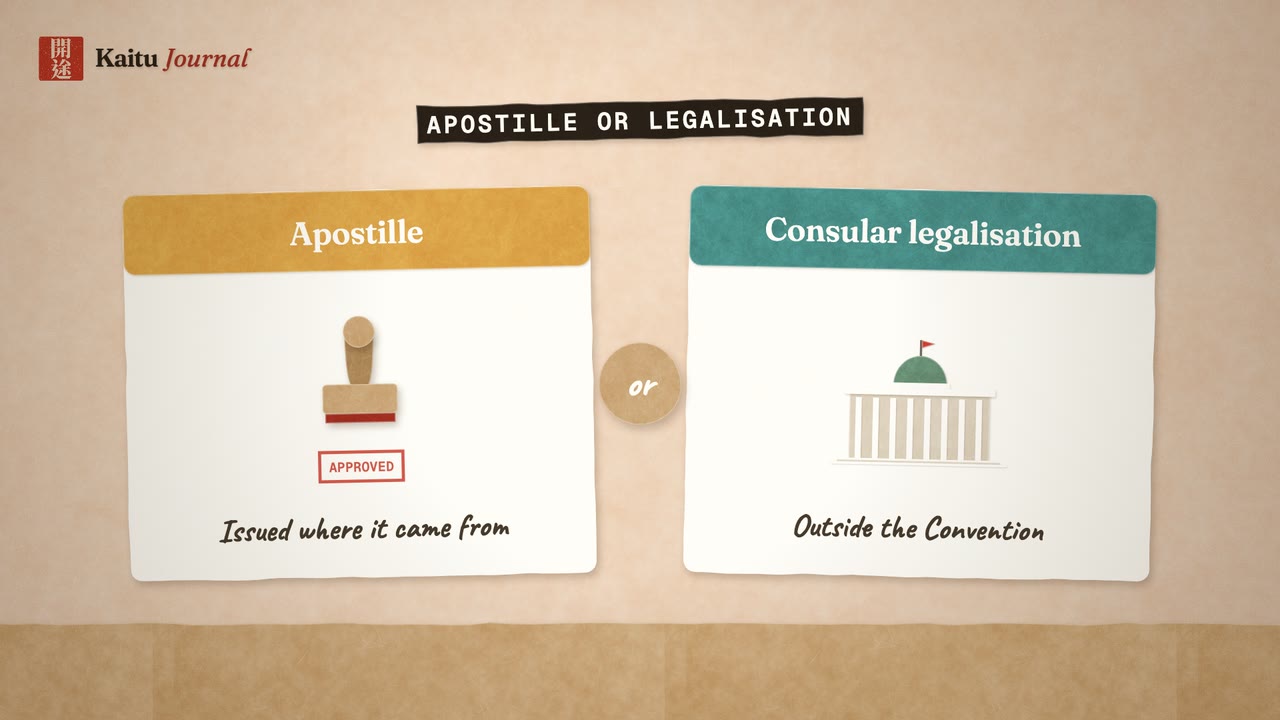
An official document from one country rarely works in another as it stands. Here is how apostilles, legalisation and certified translations fit together, and why timing matters.
The best applications are built over years, not weeks. A calm, practical timeline for students applying to universities overseas.
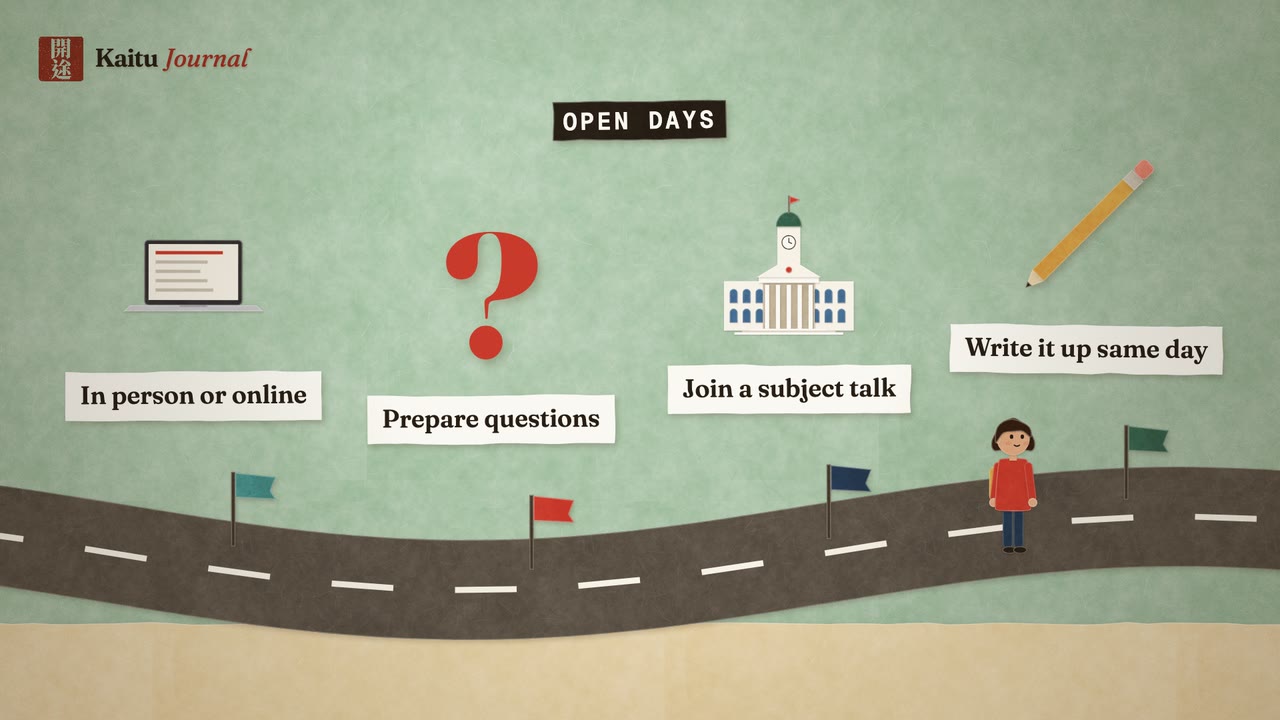
A good visit tells you things no prospectus can. Here is how to plan one, who to speak to and which questions are worth asking.
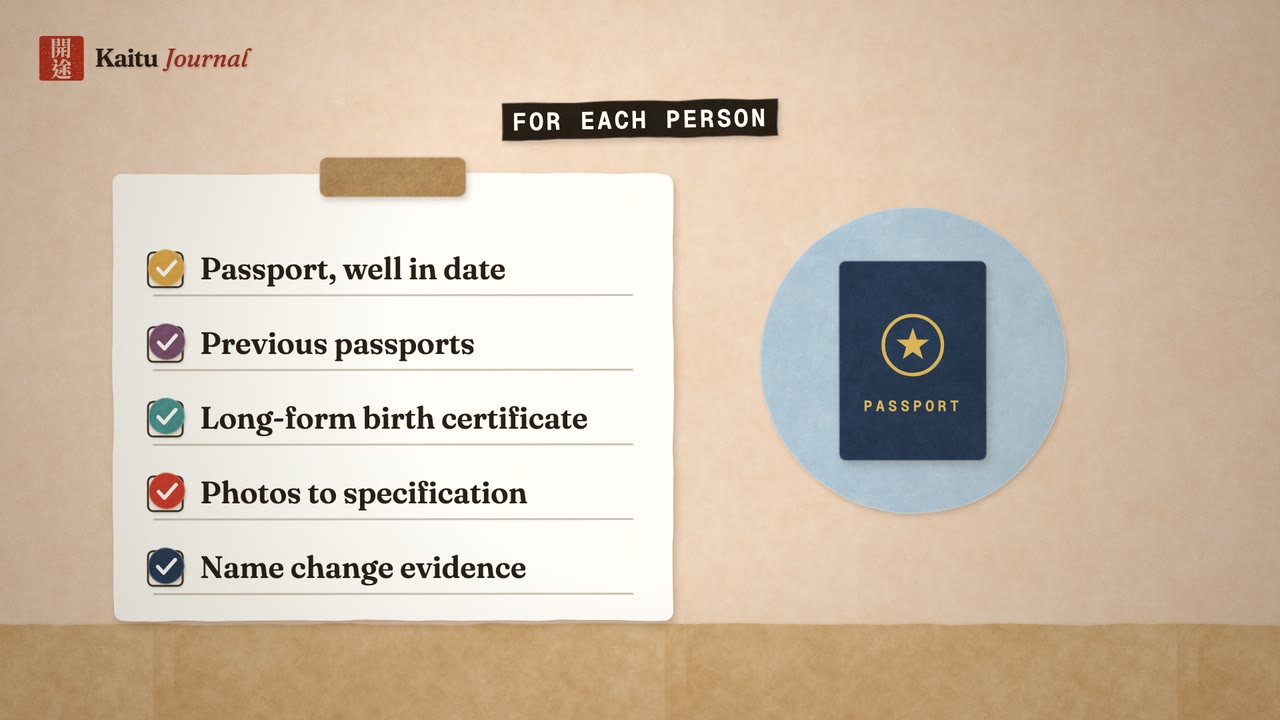
Whatever route you choose, the same paperwork comes up again and again. A checklist to start with — long before you need it.
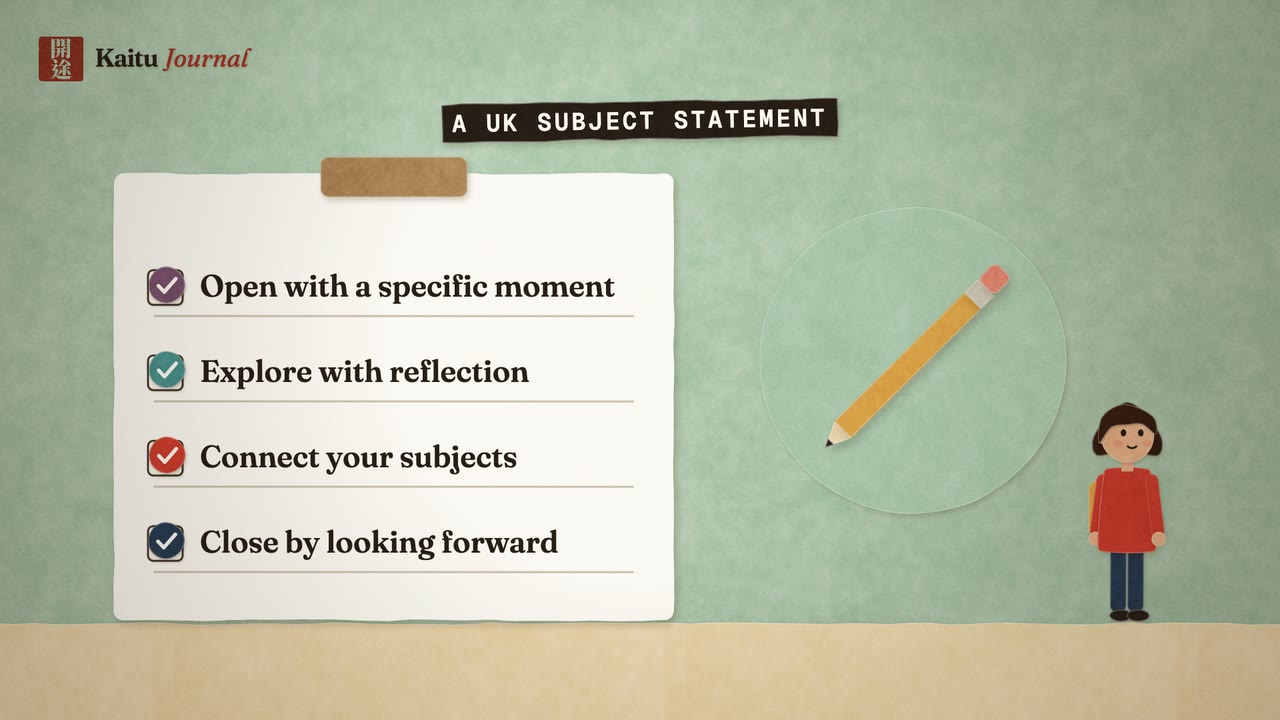
A clear structure lets good material do its work. These are the shapes that tend to serve application essays well, and how to choose between them.
Kaitu for organisations helps employers move people and their families between countries, from immigration and housing to schools and settling in.
Funding for international study is spread across universities, governments and private organisations. Knowing where to look, and when, makes the search far more productive.
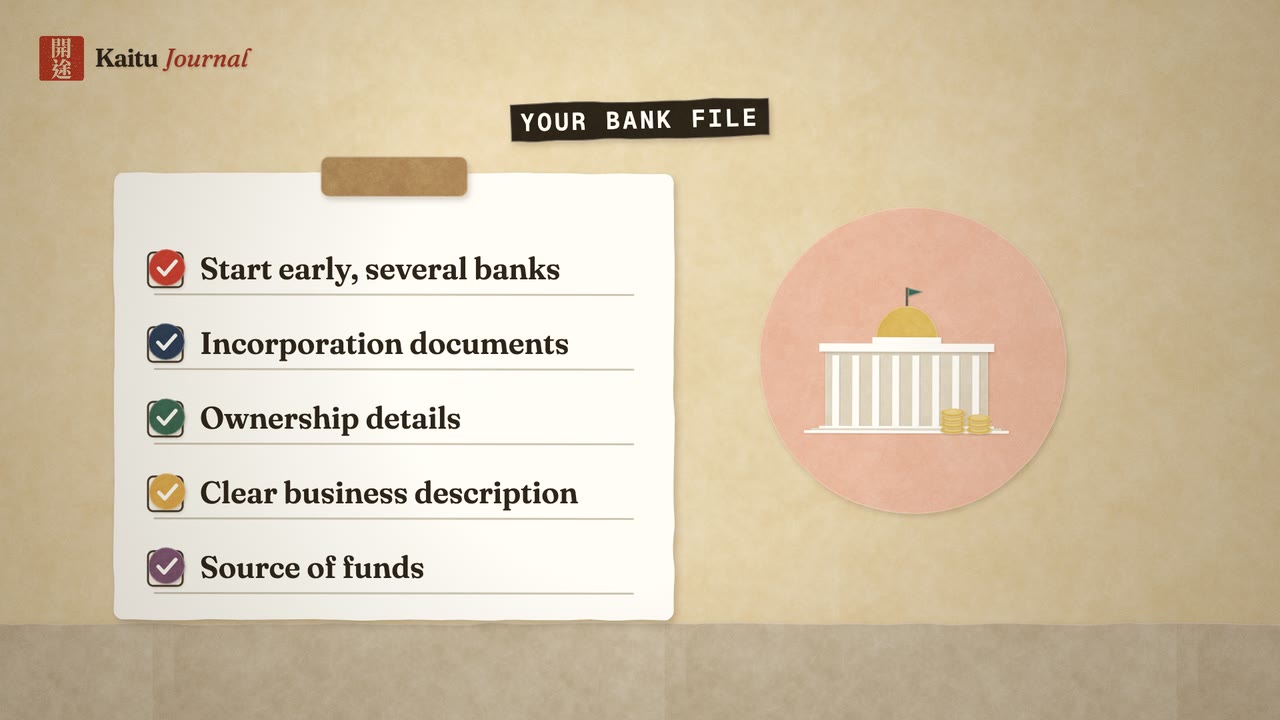
Banking is often the slowest step in setting up a company abroad. What banks usually ask for, how to prepare, and the banking and tax questions worth raising early.
The best international internships are secured months before they begin. A calm, step-by-step timeline for students and the families supporting them.
Good feedback makes an essay more fully the student's own. Here is where helpful editing ends, where ghost-writing begins and why the difference matters.
Good advice sometimes means saying no. How Kaitu approaches honest guidance, and the kinds of options we will tell a family are not right for them.
Holding a residence permit and being tax resident are two separate questions with separate rules. What families should understand, and when to bring in a qualified tax adviser.
Interviews follow unwritten rules, and those rules change from one country to the next. Preparing for different styles and expectations helps your experience come across as it should.
A strong reference comes from someone who knows the student well and has time to write. Here is how to choose referees, ask early and support them properly.
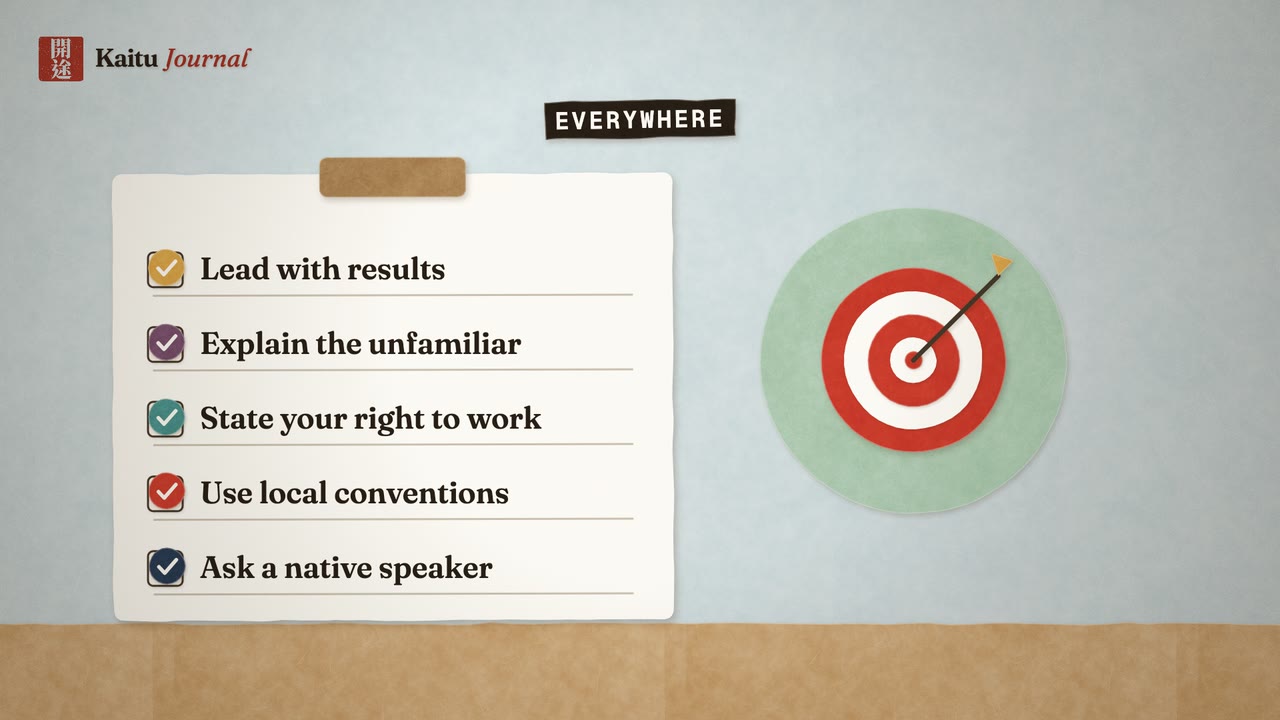
Finding work in another country before you arrive is entirely possible, but it calls for a different approach. Practical ways to search, build connections and stand out from a distance.
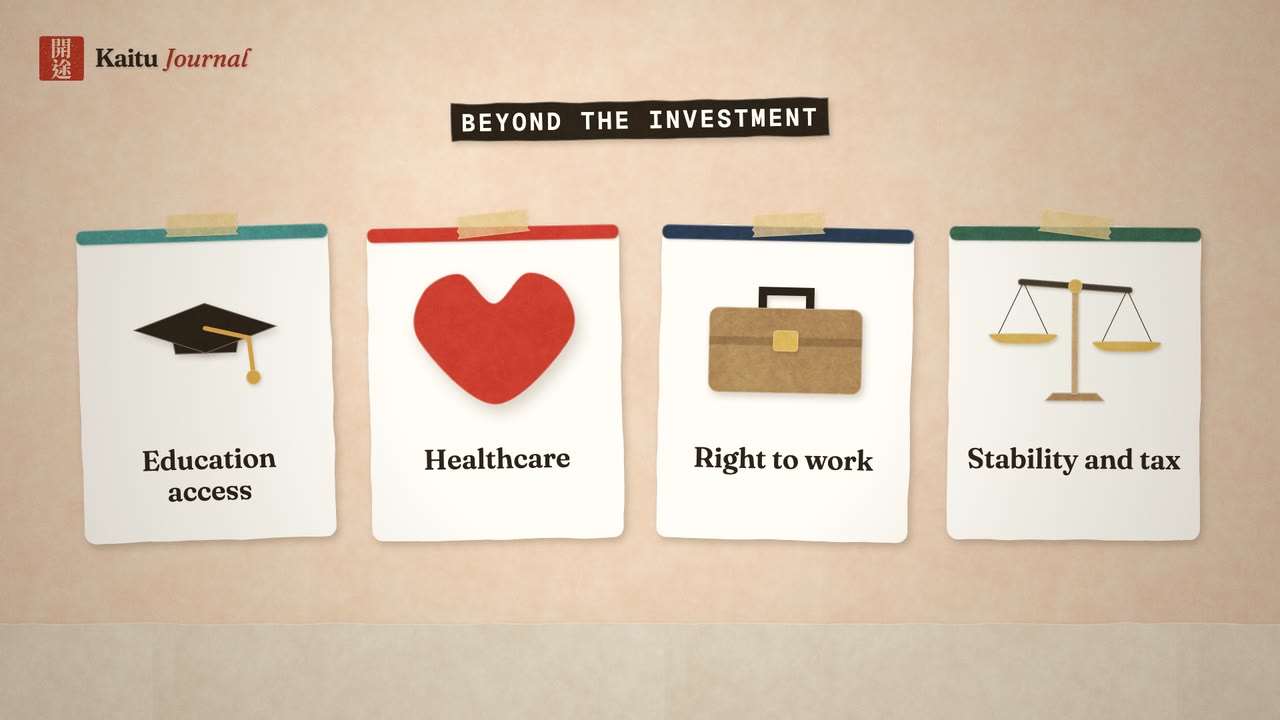
Marketing material highlights what a programme does well and rarely what it asks of you. A simple framework for comparing residency options on the factors that matter to your family.
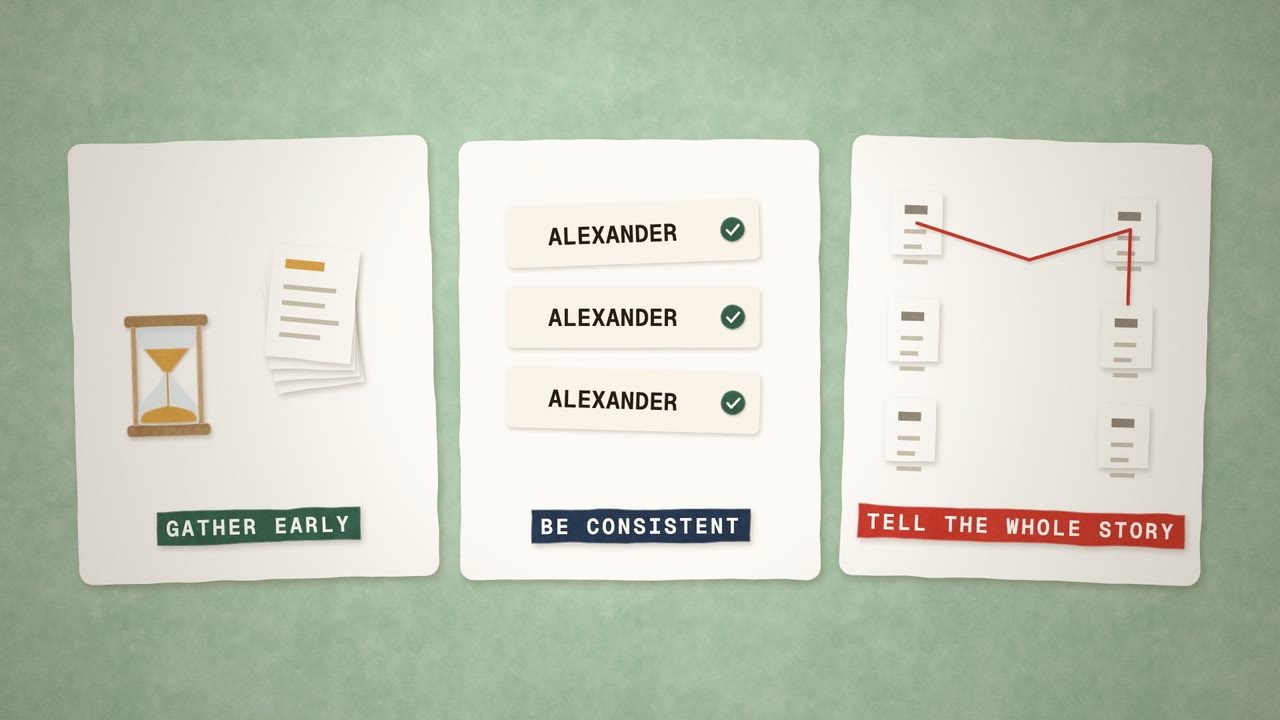
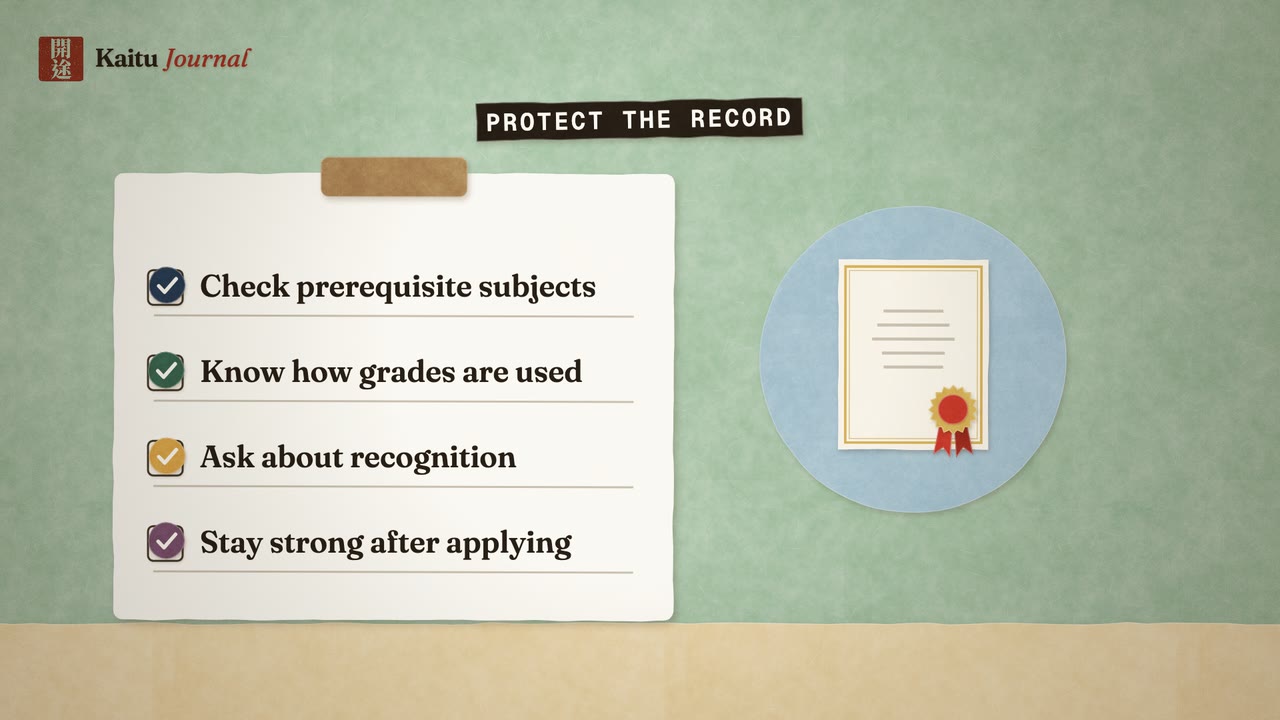
Birth, marriage, divorce and name-change records sit underneath almost every application abroad. Small inconsistencies between them can cause long delays, so it pays to review them early.
Some courses want to meet applicants or see their work before deciding. Good preparation is less about rehearsed answers and more about showing how you think.
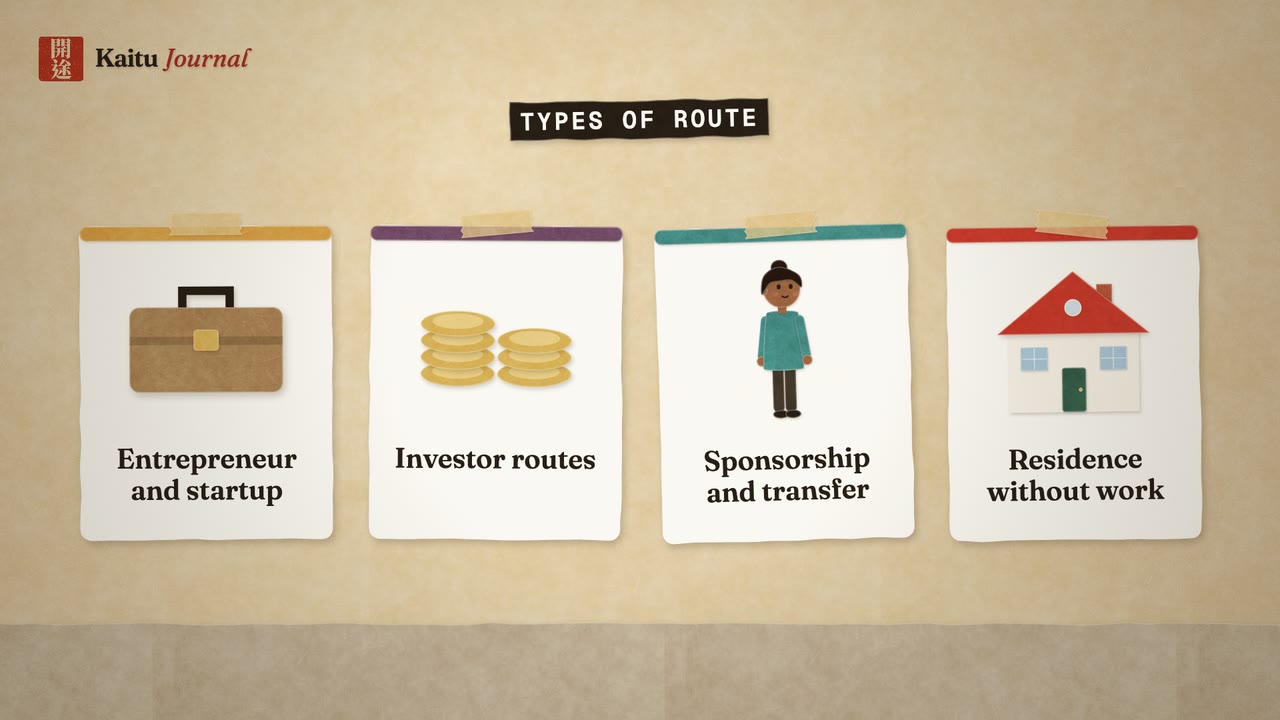
A company abroad usually needs people on the ground. A general guide to how founder, investor and employee immigration routes tend to work, and how to plan them alongside the business.
The adviser you choose shapes the whole experience, from programme selection to due diligence. The warning signs to look out for, and what good professionals do instead.
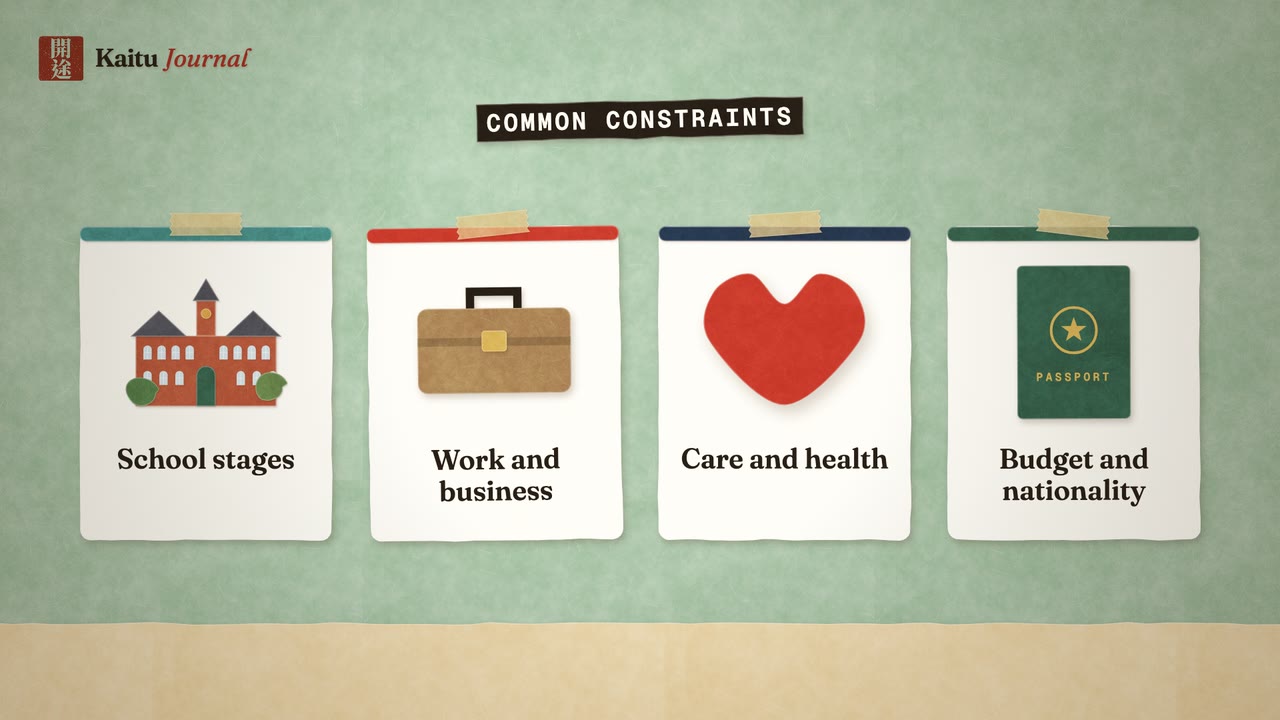
The best time to move is often decided by commitments you already have. Here is how to map school years, work contracts, leases and other constraints into a realistic timeline.
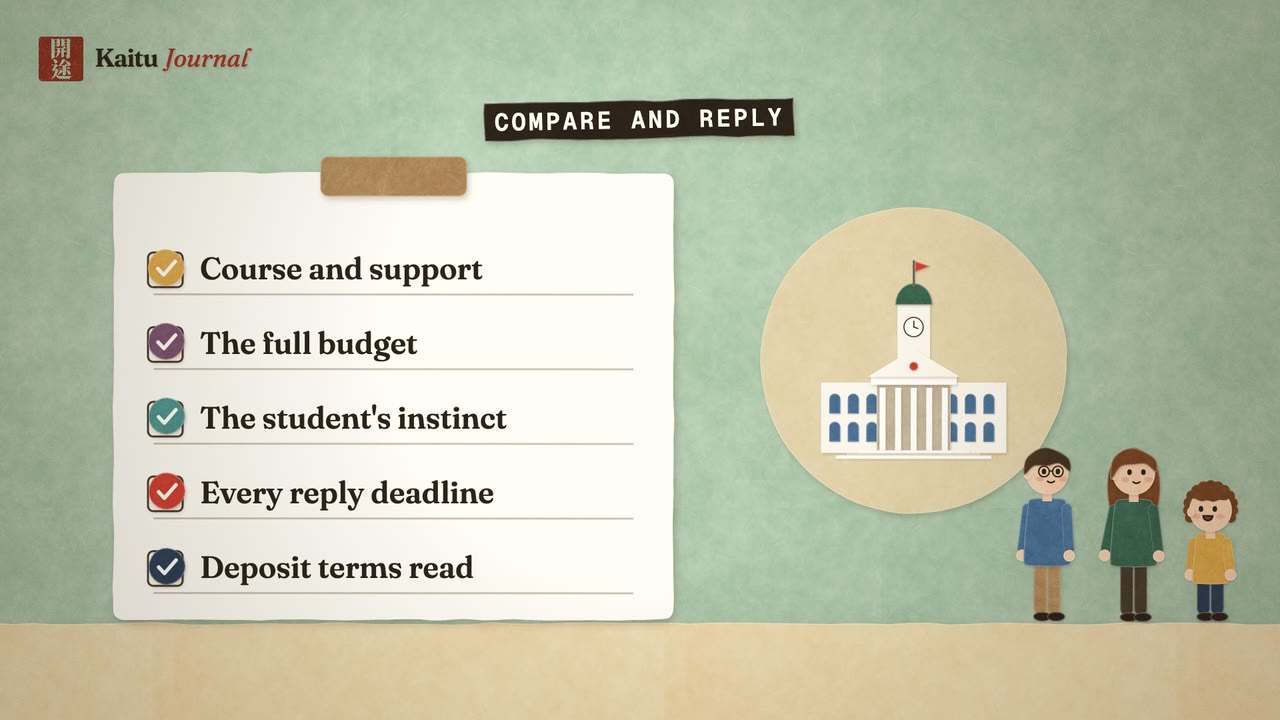
Spring brings decisions, deadlines and a long list of practical tasks. Here is how to weigh offers, handle waitlists and deferrals, and prepare to go.
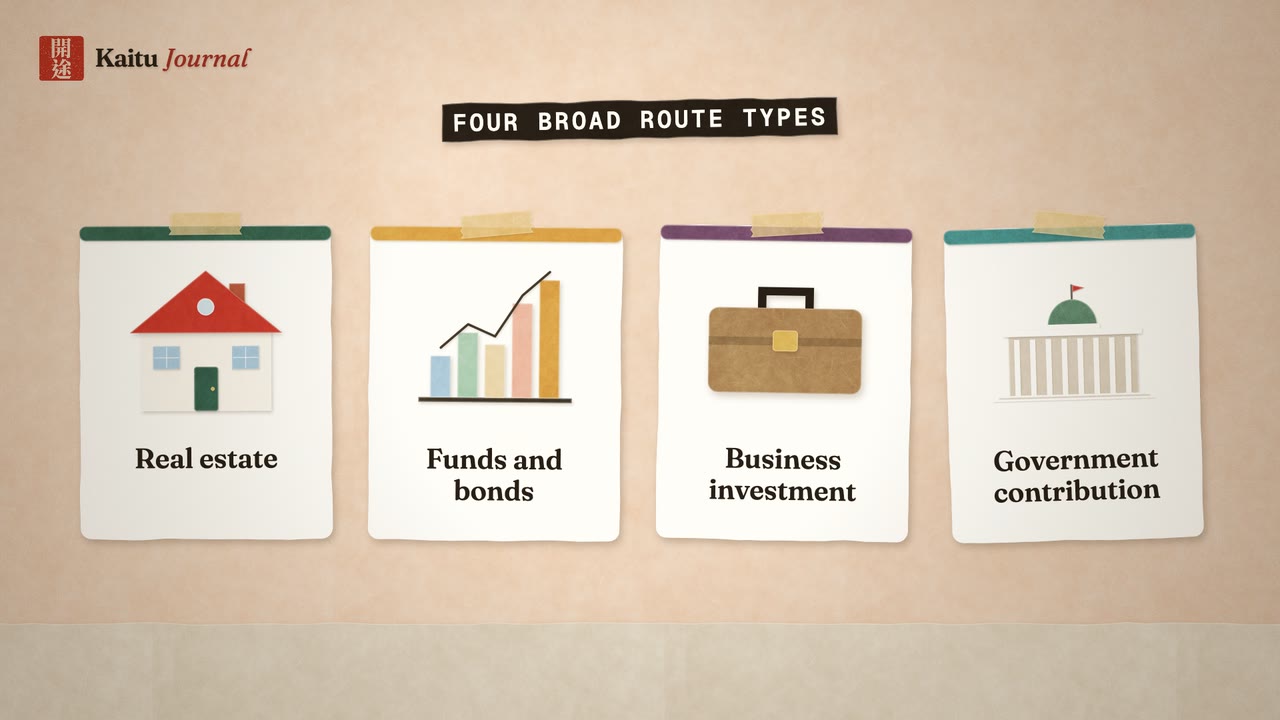
Most programmes offer more than one way to qualify. How the main investment routes generally work, and the factors worth weighing before choosing between them.
Before you can start a job in another country, you need permission to work there. An outline of sponsored permits, talent routes and dependant rights, and why timing matters.
The official processing stage is only part of the story. A guide to the stages that take time in a residency application, and how to plan around them sensibly.
Registration is the beginning, not the end. A practical outline of what a new company abroad usually needs to put in place during its first three months.
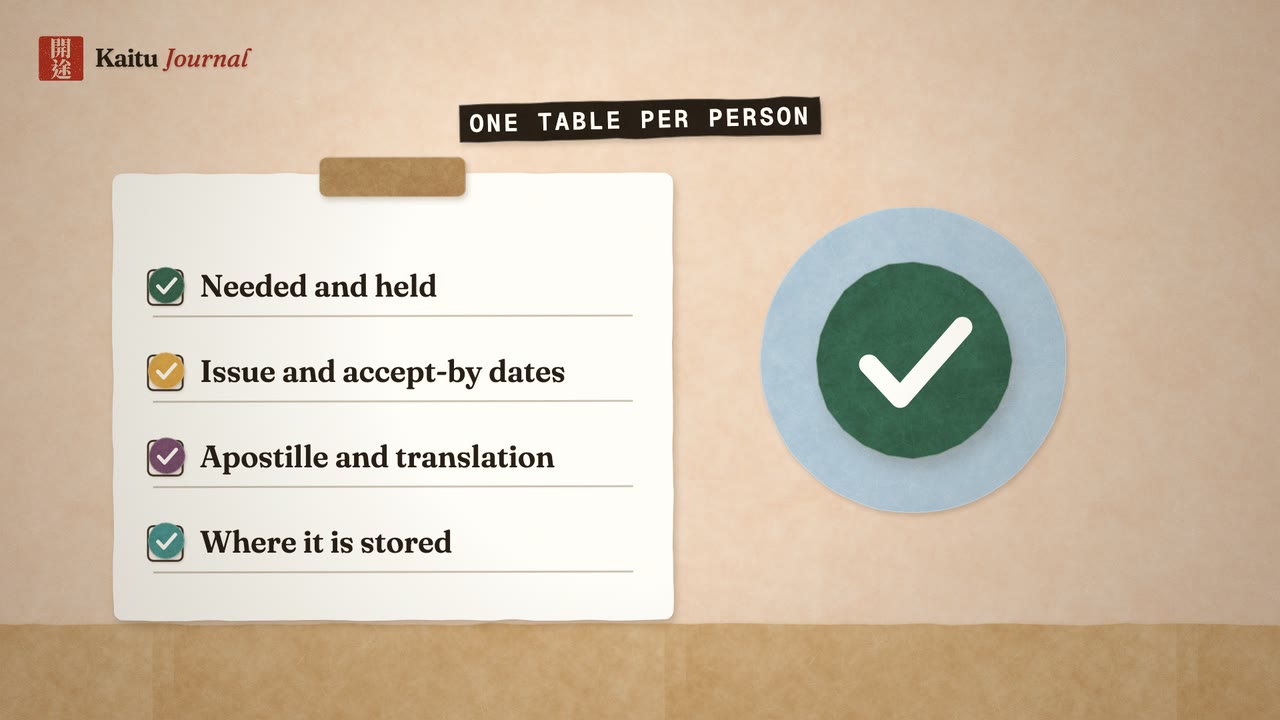
A relocation can involve dozens of documents, each with its own status and expiry date. A simple tracker and a sensible storage system keep everything under control.
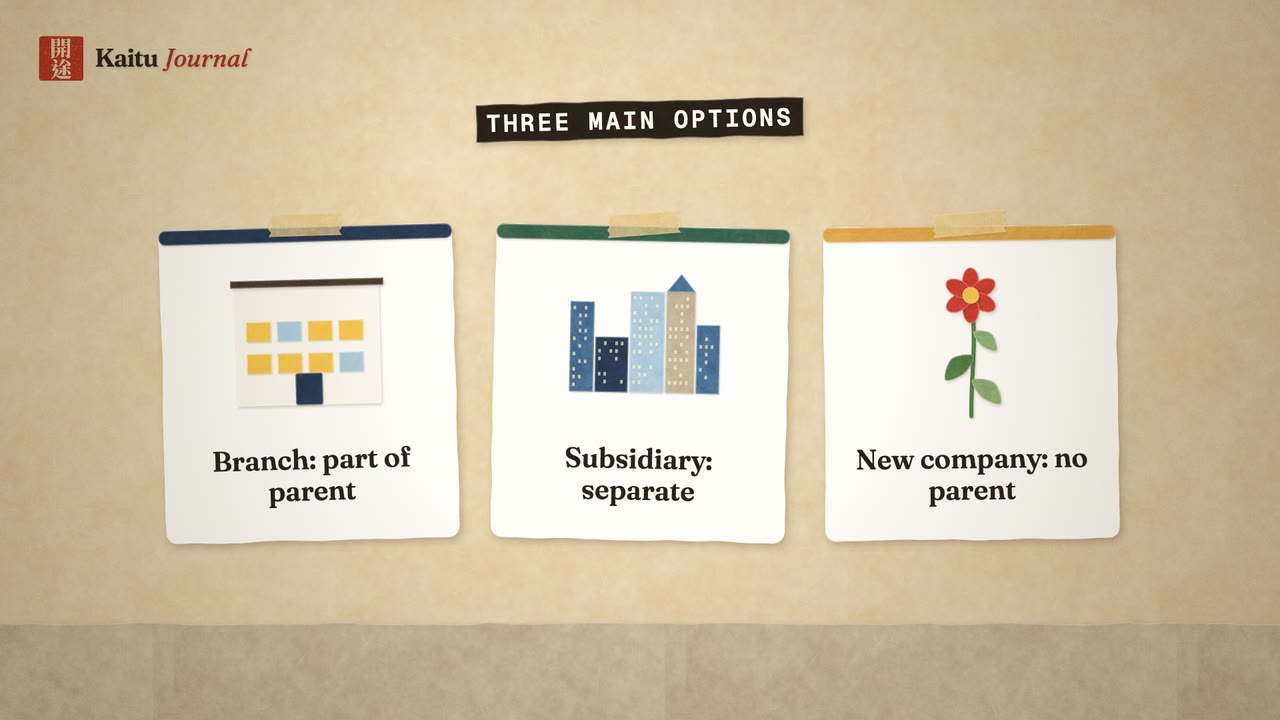
When a business expands to another country, the choice of structure shapes liability, tax, banking and immigration. A plain-language guide to the three common options.
A new season of Kaitu events is open for booking, from online webinars and language exchanges to in-person evenings that are also broadcast online. Here is what to expect and how joining works.
Kaitu now hosts language exchanges, online and in person, where people practise a language with others who are heading the other way.
A little preparation turns a first consultation from a general conversation into a practical plan. Here is what to gather and what to think through beforehand.
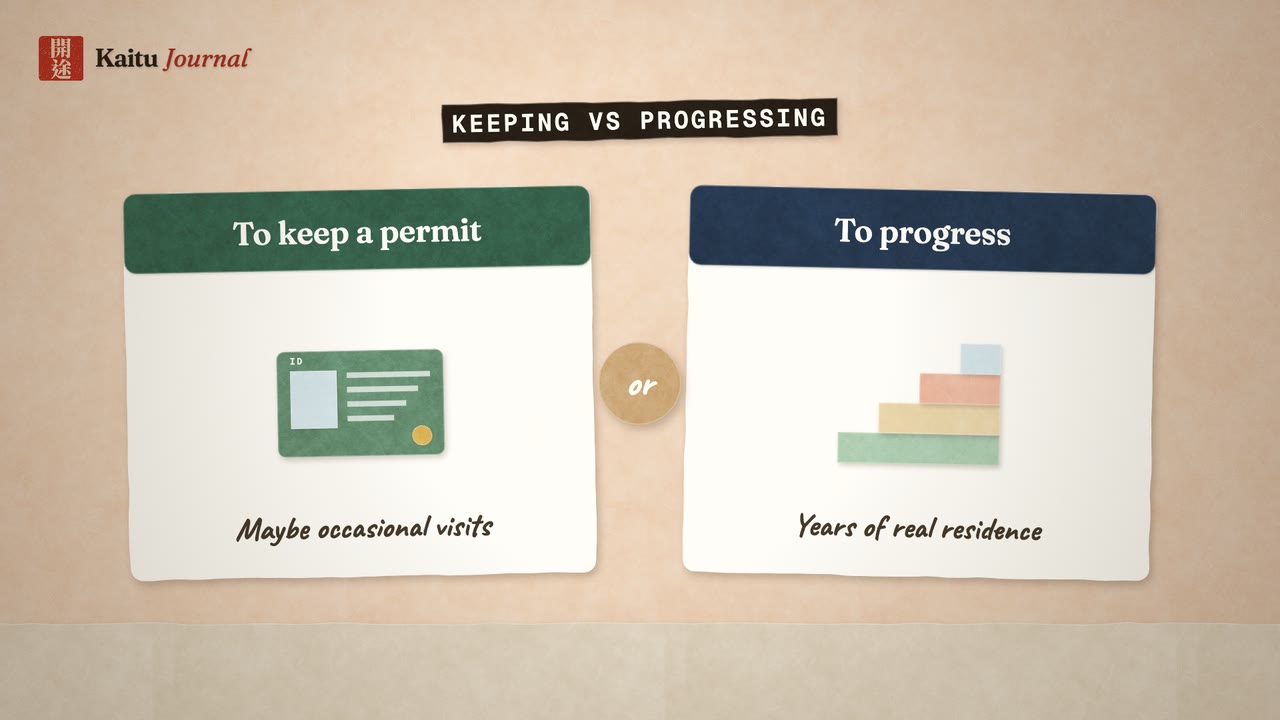
How much time a programme expects you to spend in the country shapes everything from family plans to the road towards citizenship. Here is how presence rules generally work.
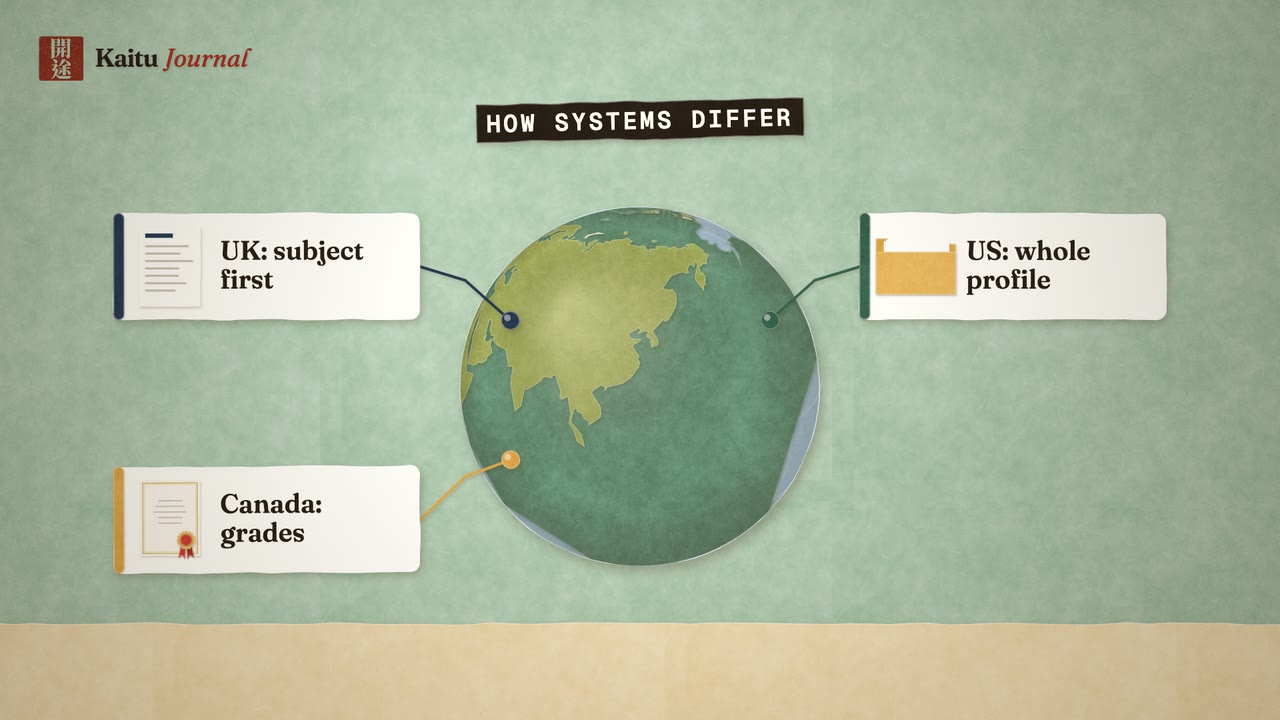
British and American universities ask for very different things. Understanding how each system reads an applicant makes applying to both far more manageable.
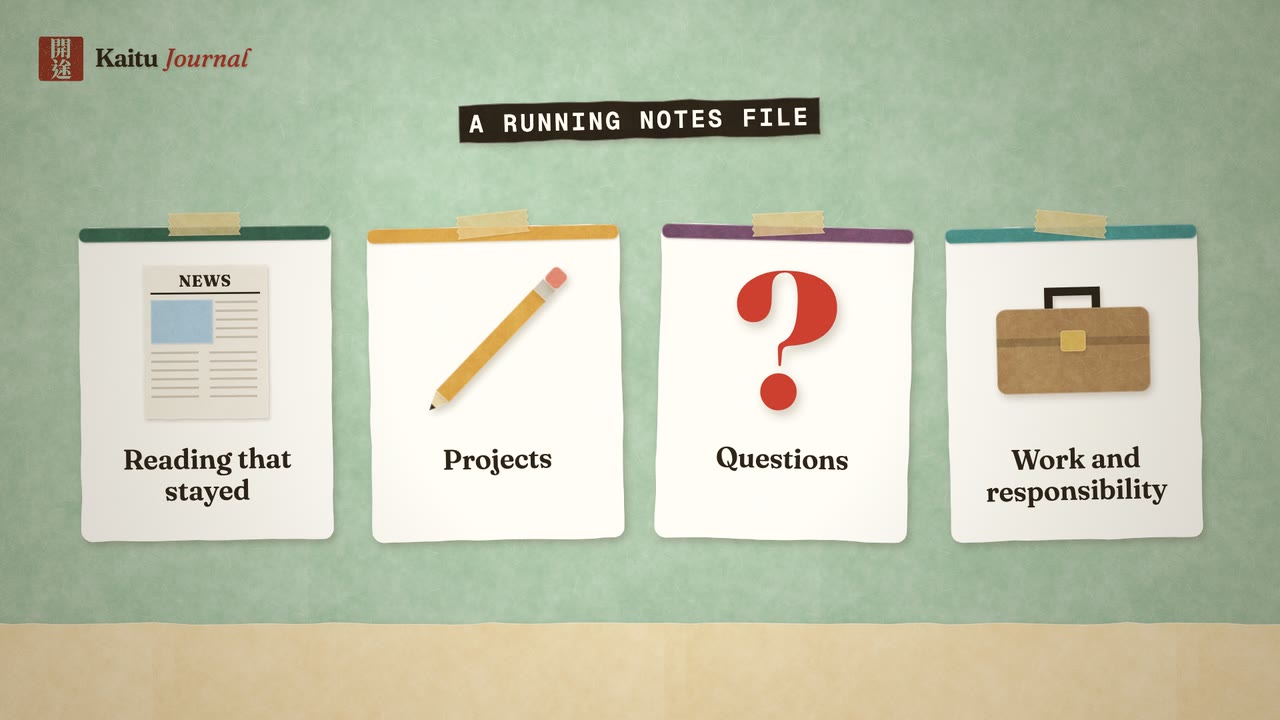
Strong statements are built from good material, not clever sentences. A simple inventory of experiences, reading and moments helps students find what is worth saying.
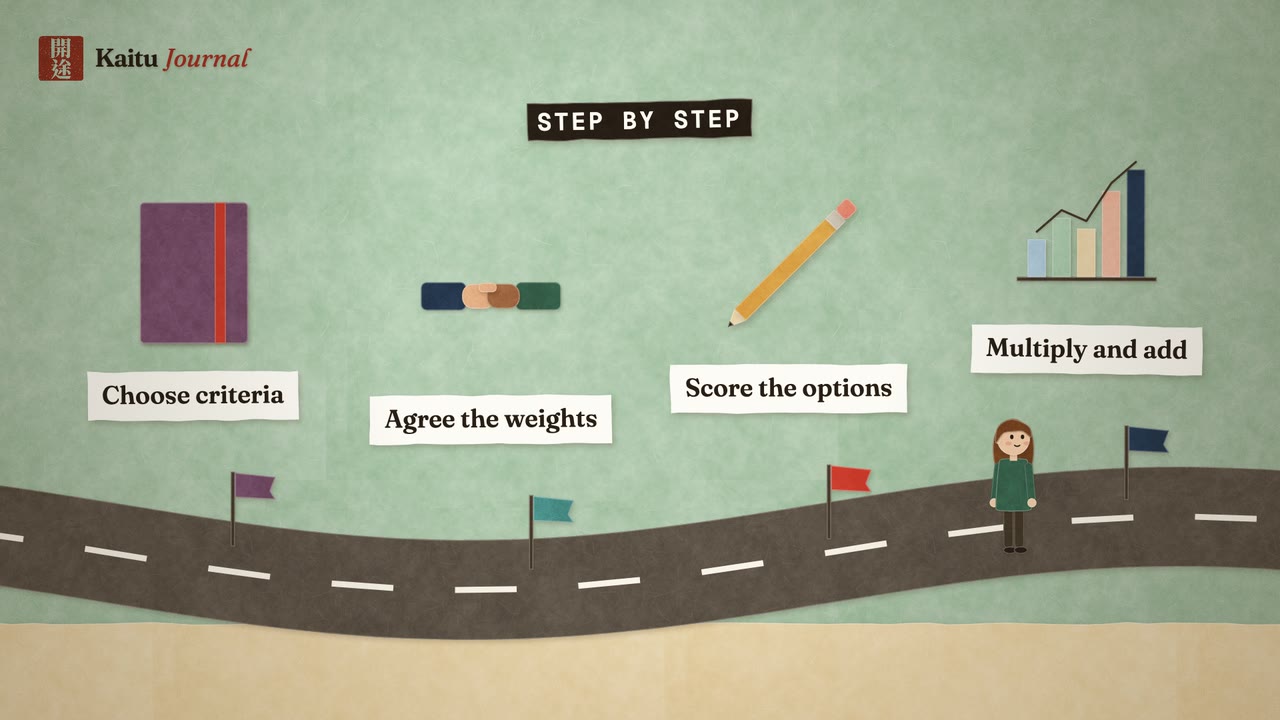
When a whole family moves, every person has something at stake. A simple decision matrix helps you weigh each person's needs fairly and choose a destination together.
English-taught degrees, Japanese-language routes and exchange programmes — an overview of the ways into Japanese universities.
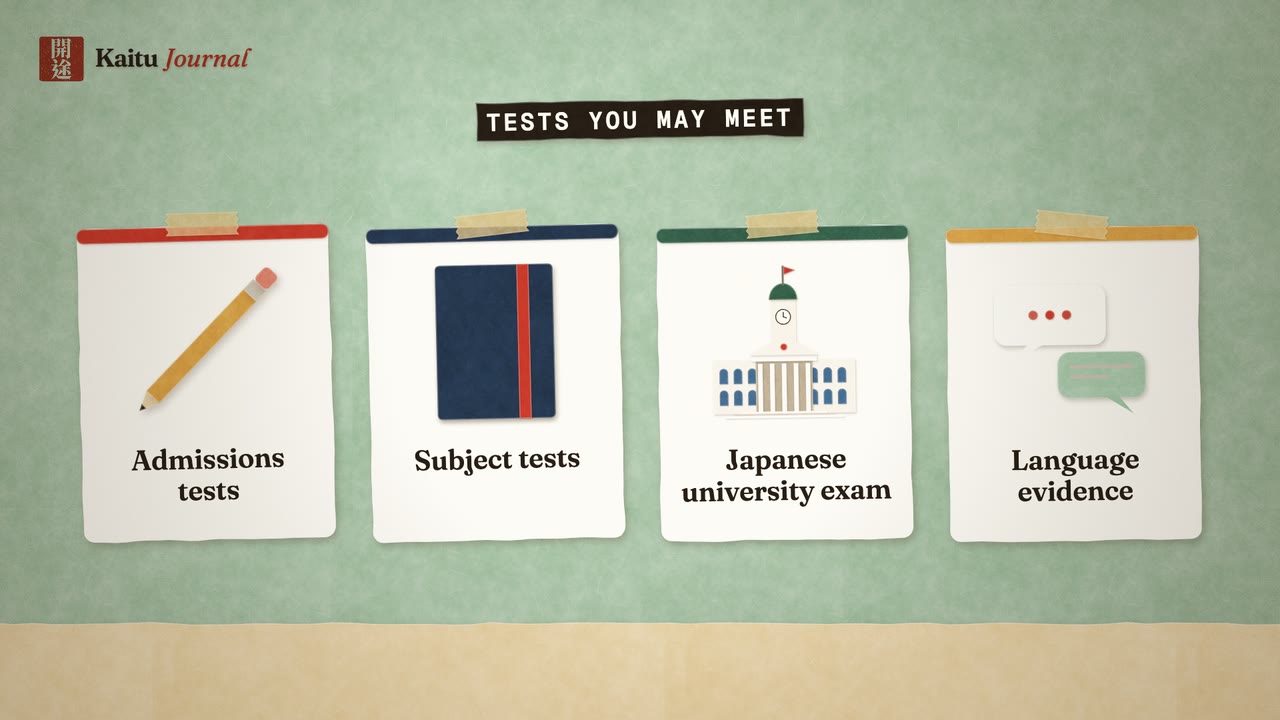
English-language tests and entrance exams can crowd an already busy year. A clear testing plan keeps scores, deadlines and schoolwork in balance.
A CV that works well at home can look out of place elsewhere. Length, photos, personal details and tone all vary between markets, and small adjustments can make a real difference.
There are three quite different ways to work in another country. Each shapes your visa, your contract and your daily life — here is how to tell them apart.
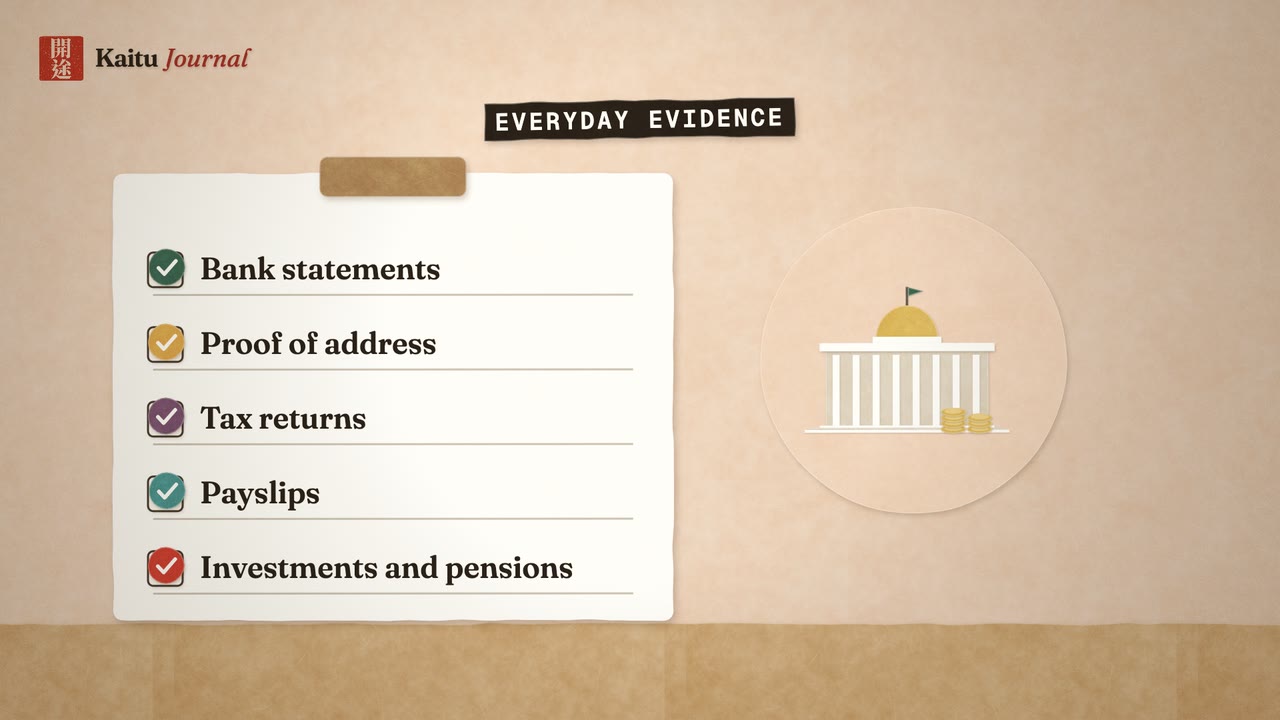
Due diligence asks where your investment comes from and how your wealth was built. How the two questions differ, and how to prepare a clear, well-evidenced account.
Occasional letters with our latest guides and news. No noise, unsubscribe any time.
 Kaitu Journal
The Kaitu Journal is part of Kaitu. Sponsored articles and advertisements are always labelled.