After months of preparation, the spring can feel like a rush of news. Offers arrive, some decisions are delayed, and replies are due sooner than expected. This is also the point at which an application turns into a move abroad. A calm, organised approach helps families make good choices and avoid missing anything important.
Understanding the offer
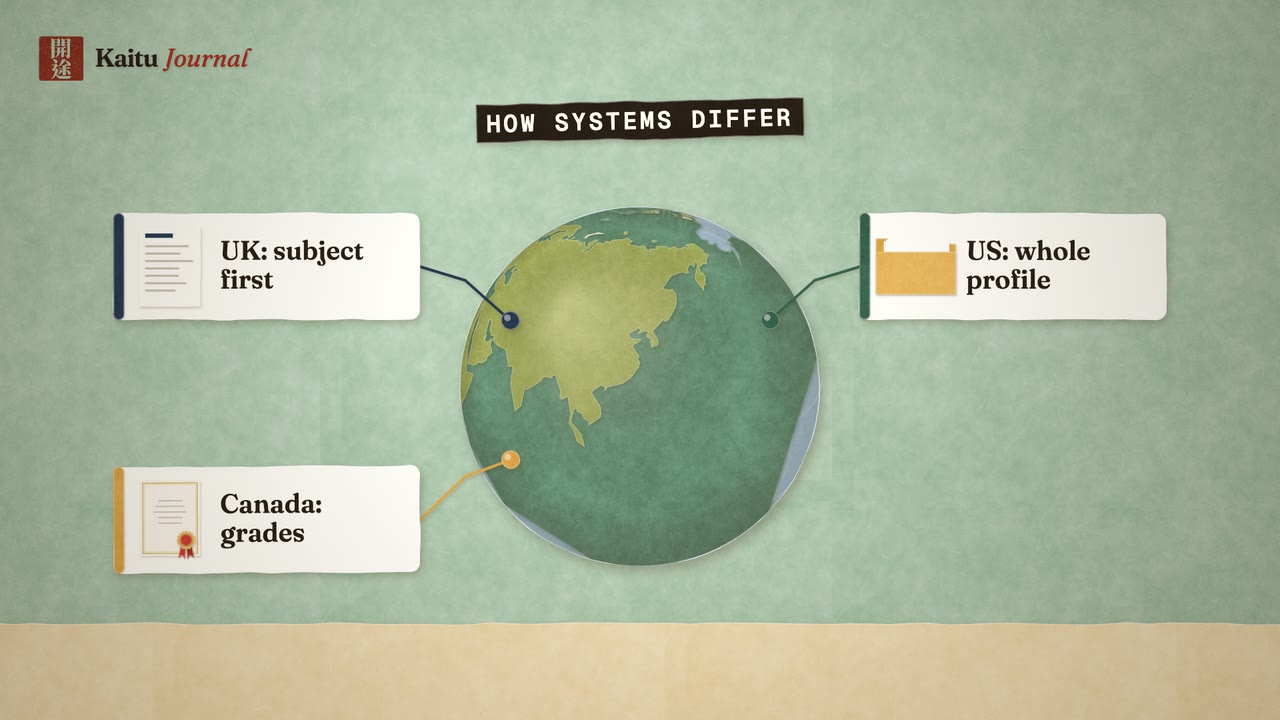
Read every offer in full. Offers differ between systems and between universities:
- Conditional offers, common in the UK, depend on achieving certain results or meeting other requirements, such as an English-language score.
- Unconditional offers confirm a place, though they may still require documents or continued good performance.
- Offers for an alternative course may be made when a university cannot offer the original choice.
Note every condition and every deadline for replying. Some systems limit how many offers a student can hold and how they rank them, so understand the rules before responding.
Comparing options
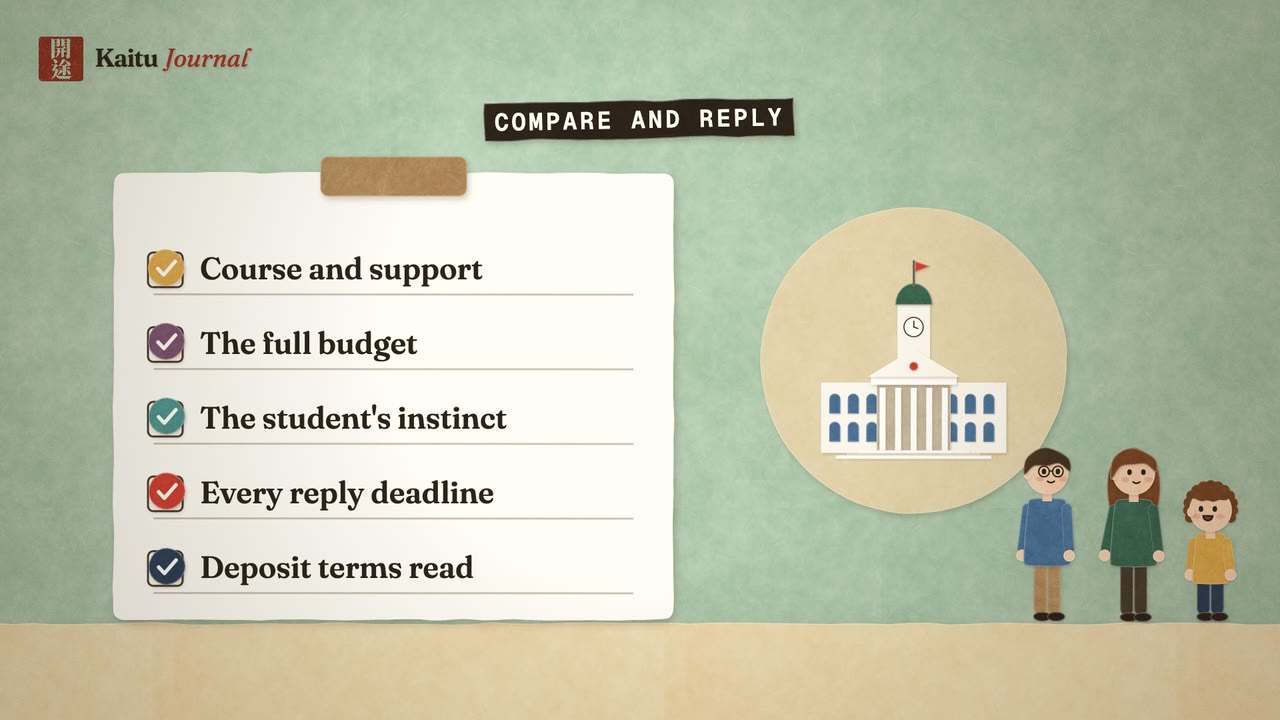
When choosing between offers, return to the reasons the universities were shortlisted. Consider course content, teaching style, location, support for international students and graduate outcomes. Look closely at the full cost of study and any financial aid offered, and contact financial aid offices if an award seems unclear.
Where possible, attend offer-holder days, online sessions or speak to current students. A second look, now that the decision is real, often clarifies things.
Waitlists
Being placed on a waitlist means the university may offer a place later if others decline. Movement from waitlists varies a great deal from year to year and is hard to predict.
A sensible approach is to:
- Accept a place elsewhere by the required deadline, so a good option is secured.
- Confirm interest in remaining on the waitlist, following the university's instructions exactly.
- Send a brief update if the university invites one, focusing on genuine new achievements.
Students should not commit to more than one university in a way that breaks the rules of the system they are using.
Deferrals
Some students wish to start a year later, perhaps to work, travel, study a language or complete national service. Policies on deferring vary between universities and courses. Some allow it on request, some only for specific reasons and some not at all. Scholarships may not carry over automatically.
Ask the university about deferral before accepting an offer if it is part of the plan, and get any agreement in writing.
Visas and practical preparation
Once a place is confirmed, attention turns to the move itself. Visa requirements differ by country and change frequently, so follow the destination government's current official guidance. Common steps include:
- Obtaining the university's confirmation document needed for the visa application.
- Gathering financial evidence, academic records and identity documents.
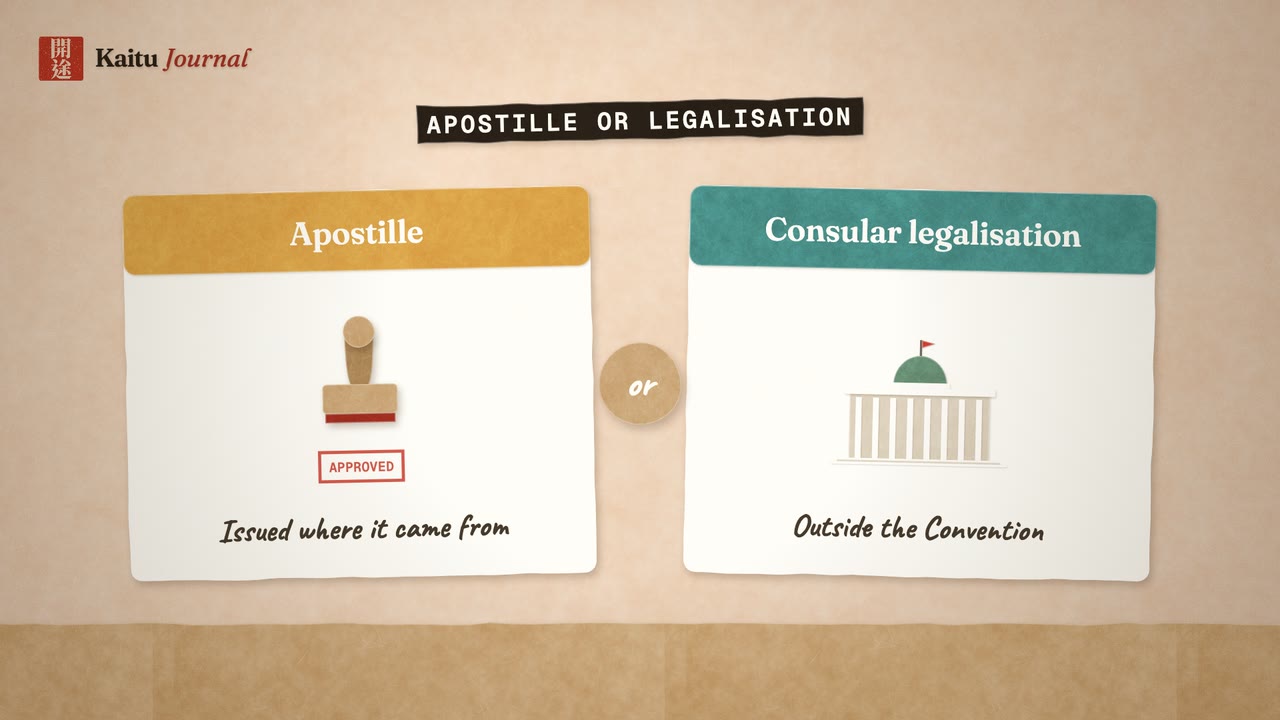
- Arranging translations or certifications, such as an apostille for countries in the Hague Convention, where required.
- Booking any appointments, medical checks or biometrics early.
Alongside the visa, families should arrange accommodation, health cover, banking and travel, and read the university's arrival and orientation information carefully.
Keep everything in one place
Create a single checklist and folder for offers, correspondence, deadlines and documents. Spring decisions involve many small tasks, and keeping them together reduces the risk of a missed email or an expired document.
How Kaitu helps
We guide students through comparing offers, managing waitlists and deferrals, and preparing visa documents and arrival plans. Visit our admissions page or book a free consultation for support with your decisions.