Investment migration programmes rarely offer a single way in. Many allow applicants to qualify through one of several routes, each with its own logic, obligations and risks. The right choice depends less on which route is most popular and more on what you want from the investment beyond the status itself.
The main types of route
While the details vary by programme, qualifying routes tend to fall into a few broad categories.
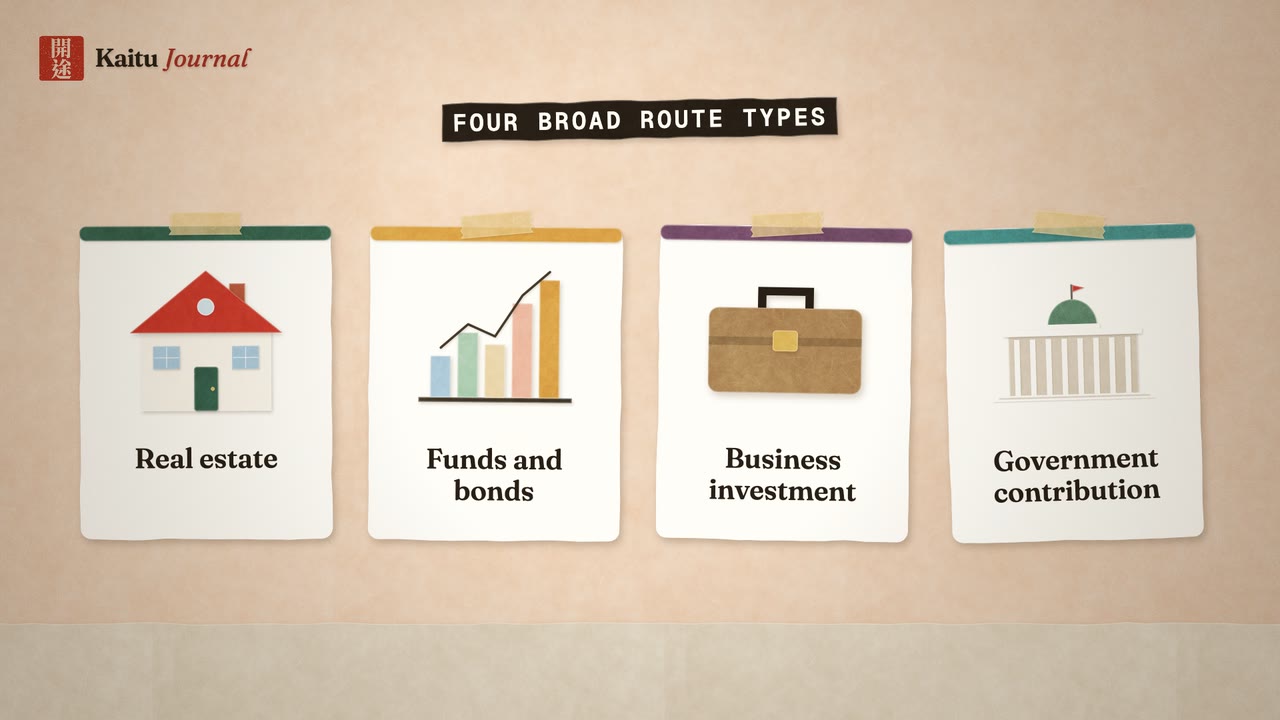
- Contribution or donation. A non-refundable payment to a government fund or approved cause. It is usually the simplest route administratively, but the money is not returned.
- Real estate. The purchase of approved property, often to be held for a minimum period. The asset is retained, but its value can rise or fall, and it carries ongoing costs and responsibilities.
- Business investment. Establishing or investing in a local business, sometimes with conditions on job creation or activity. This can suit entrepreneurs but brings operational commitments and risk.
- Government bonds or approved funds. Placing capital in specified instruments for a defined period. These may offer a return of capital at the end, subject to the instrument's terms and risks.
- Bank deposits or other financial routes. Some programmes accept deposits or investments held for a set time.
Not every programme offers every route, and routes are added, altered and withdrawn over time.
Factors worth weighing
When comparing routes, consider each against the same questions.
- Recoverability. Whether the capital is returned, and under what conditions.
- Holding period. How long the investment must be maintained, and what happens if it is sold early.
- Risk. Exposure to market movements, developer performance, business failure or currency changes.
- Liquidity. How easily you can exit when the holding period ends.
- Ongoing obligations. Maintenance, management, reporting and taxes that continue after approval.
- Total commitment. The minimum investment the programme sets, plus every associated cost over the life of the investment.
- Personal use. Whether the asset has value to you beyond qualification, such as a home you will actually live in.
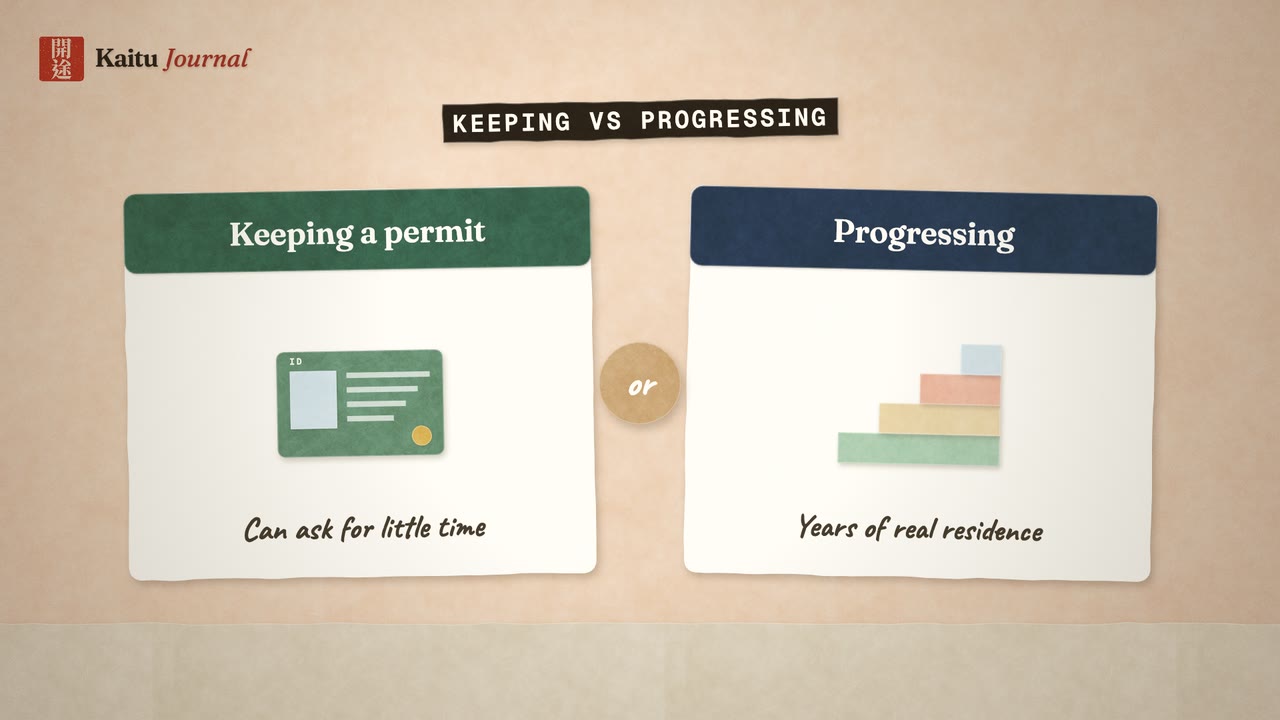
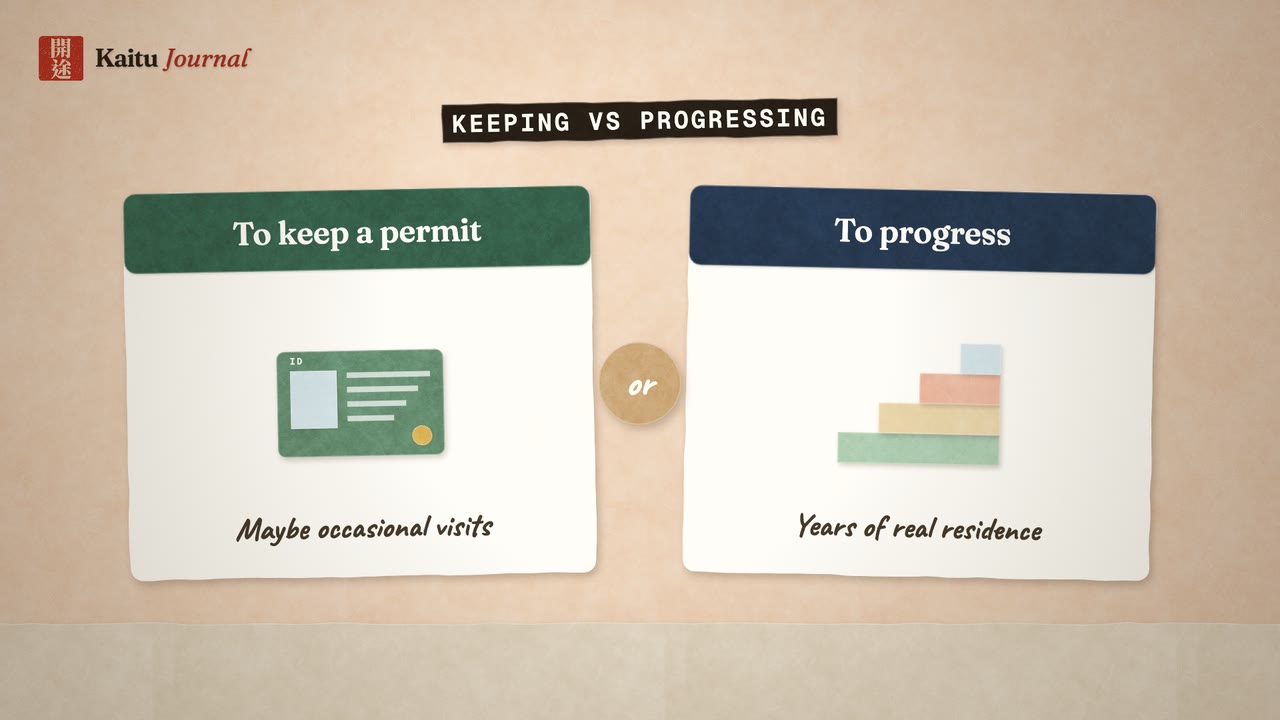
- Effect on renewal and progression. Whether the route supports renewal or a later move to permanent status.
The questions behind each route
Each route also brings its own due diligence. With property, you need confidence in the title, the developer and the resale market. With funds and bonds, you need to understand the manager, the structure and the terms of redemption. With businesses, you need a realistic business plan and an understanding of local law. A contribution is simpler, but you should confirm that payment is made only through official channels.
Avoiding common mistakes
Families sometimes choose a route for the wrong reasons. Common pitfalls include:
- Treating an investment as a guaranteed return when it carries real risk.
- Buying property primarily for qualification without considering whether it would be bought otherwise.
- Overlooking the cost and effort of managing an asset from abroad.
- Assuming a route will remain available, or unchanged, through the whole process.
Checking the current rules
Qualifying routes are among the most frequently revised elements of any programme. Before committing, confirm the current official requirements and seek independent financial, legal and tax advice on the specific investment you are considering.
How Kaitu helps
We help families compare routes on recoverability, risk and fit, and we coordinate the independent checks each investment deserves. To explore the options that suit your goals, book a free consultation, or join one of our online events.