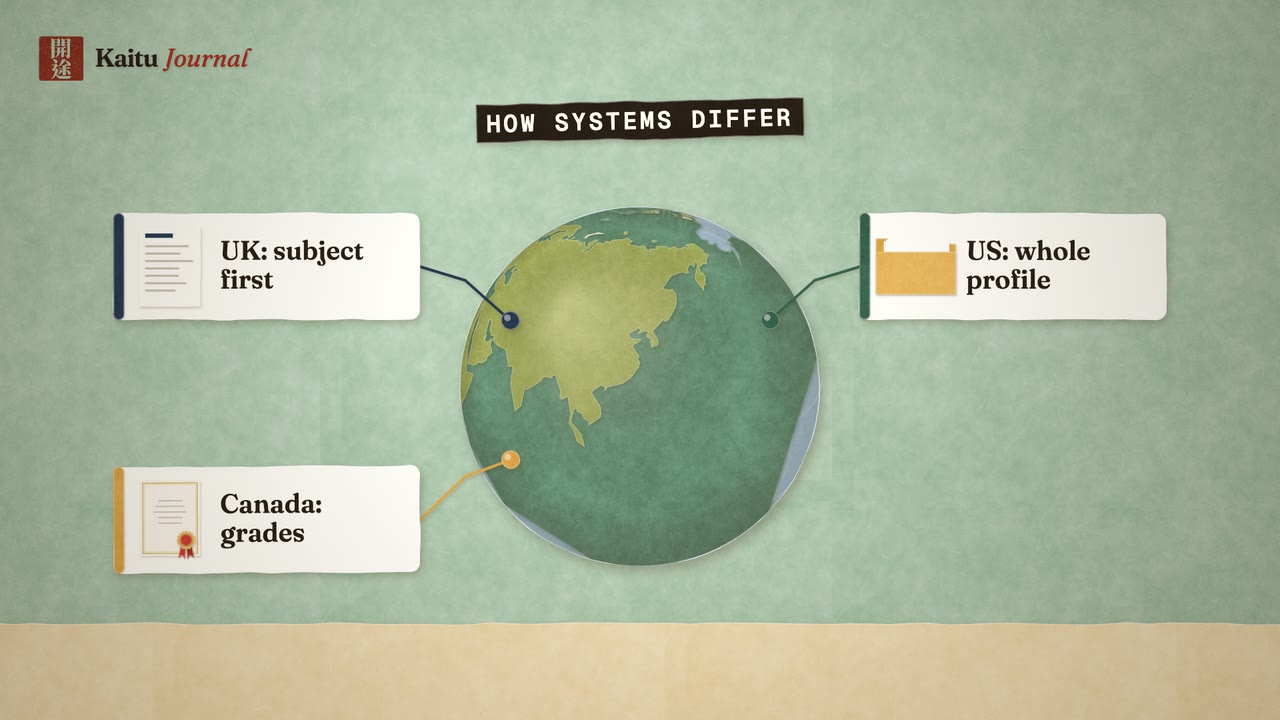
More of the students we meet now want to keep both doors open: a place at a British university and a place in the United States. It is a perfectly sensible plan, but it means working with two systems that were built on different ideas about what a university is for. Knowing those differences early saves a great deal of rewriting later.
Two philosophies of admission
British undergraduate admissions are organised around the subject. Students apply for a specific course, and the question an admissions tutor asks is whether this person is ready and motivated to study that subject in depth from the first week.
American admissions are broader. Most students apply to a college rather than a course, often without declaring a major, and the question is closer to whether this person will contribute to and benefit from the whole community. Academic record matters enormously, but so do activities, character and context.
How the applications are built
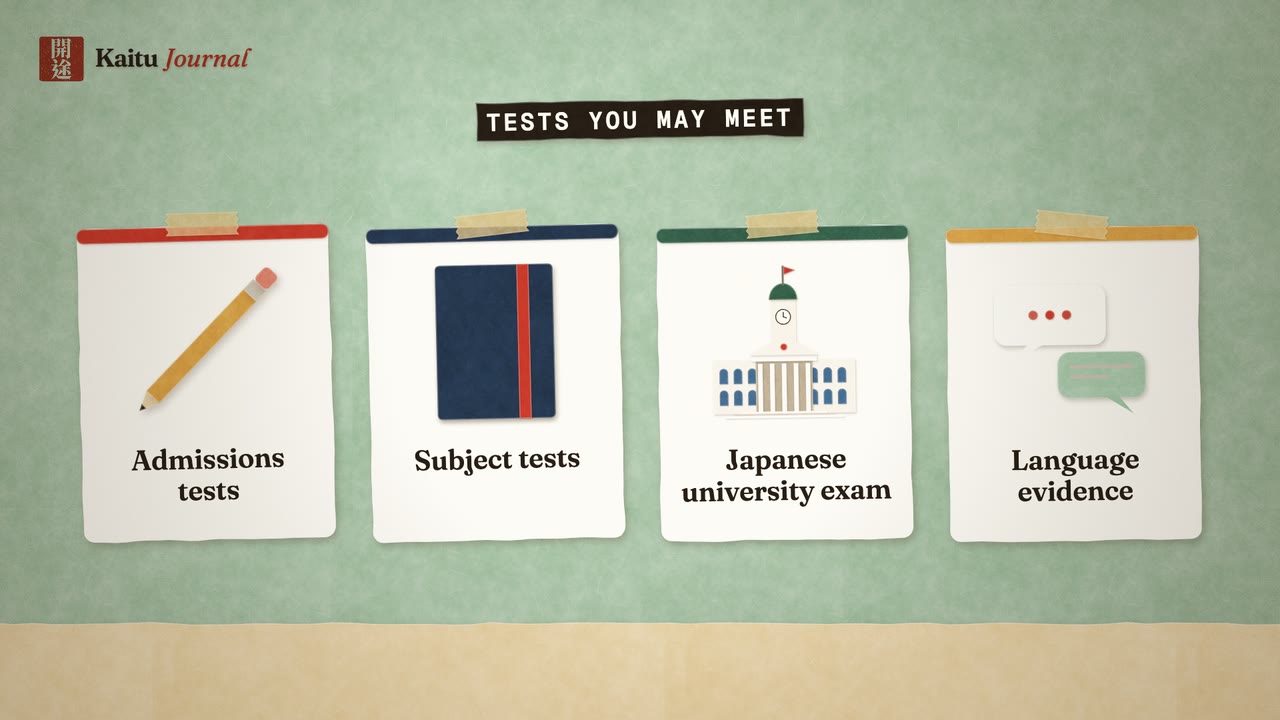
In the UK, most undergraduate applications go through UCAS. Students choose a limited number of courses, write one personal statement that is sent to all of them, and submit a single reference from their school alongside predicted or achieved grades. Some courses add admissions tests, interviews or portfolios.
In the US, many universities use the Common App, though others use their own platforms or alternatives such as the Coalition application. A typical file includes:
- A main personal essay, usually more reflective than a UK statement.
- Supplementary essays specific to each university, sometimes several.
- A list of activities with short descriptions.
- A counsellor recommendation and often one or two teacher recommendations.
- School transcripts covering several years, not just final grades.
- Standardised test scores, where the university requires or accepts them.
The format and rules of both systems are revised from cycle to cycle, so always check the current guidance from UCAS, the Common App and each university directly.
Writing for two audiences
The most common mistake is trying to write one essay that serves both. A UK personal statement should spend most of its length on the subject: what the student has read, explored and thought about, and why they want to study it further. Extracurricular activities earn their place only when they connect to the course.
An American essay is usually a story about the person. It might have nothing to do with the intended major. Admissions readers want to understand how the student thinks, what they value and how they have grown.
Material can be shared between the two, but the pieces should be written separately and for their own reader.
Timelines that overlap
The two calendars do not line up neatly. American universities often offer early application rounds in the autumn, alongside regular deadlines later in the season. UCAS has its own deadlines, with earlier ones for certain courses and universities. Supplementary essays for US applications tend to multiply quickly, and they compete for time with the final school year.
We suggest families build one combined calendar that shows every deadline, test date and reference request for both systems, then work backwards from it.
Choosing and committing
Offers also work differently. UK offers are frequently conditional on final results, while US decisions are usually unconditional apart from continuing to perform well. Students holding offers from both systems will face deadlines for replying that may not coincide, and some early application routes in the US carry a binding commitment. Read the terms of any early round carefully before applying.
How Kaitu helps
Our admissions consultants regularly guide students through UCAS and US applications in the same year, keeping essays distinct and deadlines in order. To plan a dual application with us, explore our admissions service or book a free consultation.