Getting the most from a first consultation

A little preparation turns a first consultation from a general conversation into a practical plan. Here is what to gather and what to think through beforehand.

Kaitu Editorial16 September 2026 · 3 min read
A papercraft desk with a notebook, a cup of tea and a small globe ready for a meeting

A first consultation is an opportunity to test your ideas against professional experience and leave with a clearer sense of direction. It is most useful when you arrive having thought about your goals, your constraints and the facts of your situation. None of this needs to be polished; a page of notes is usually enough.

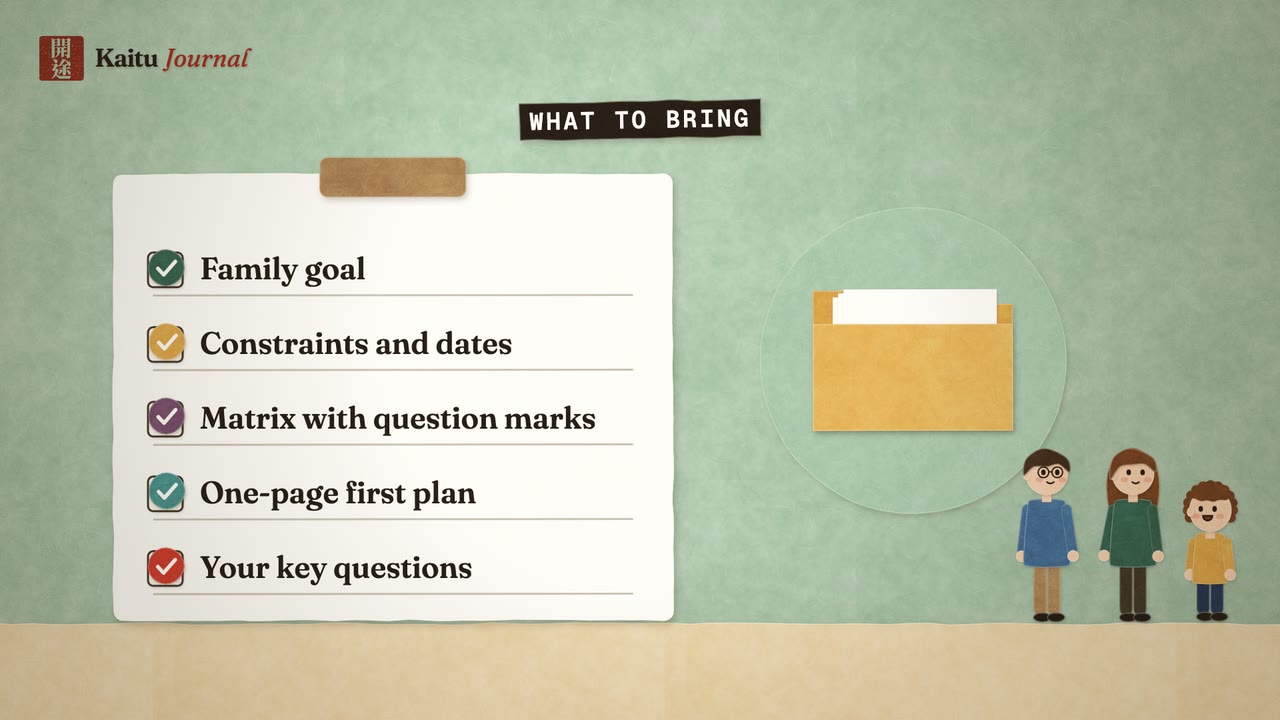
Clarify what you are hoping to achieve

Start by writing down, in a sentence or two, what you want the move to accomplish. It might be a better education for your children, a new career, greater security, a second residence for flexibility, or a combination.

It helps to separate the outcome from the method. You may have a specific programme or country in mind, but the underlying goal matters more, because a different route can sometimes achieve it more effectively.

Note too how certain you are. Some people arrive with a firm plan; others are exploring. Both are perfectly fine, and saying which applies to you helps the adviser pitch the conversation correctly.

Think about who is involved

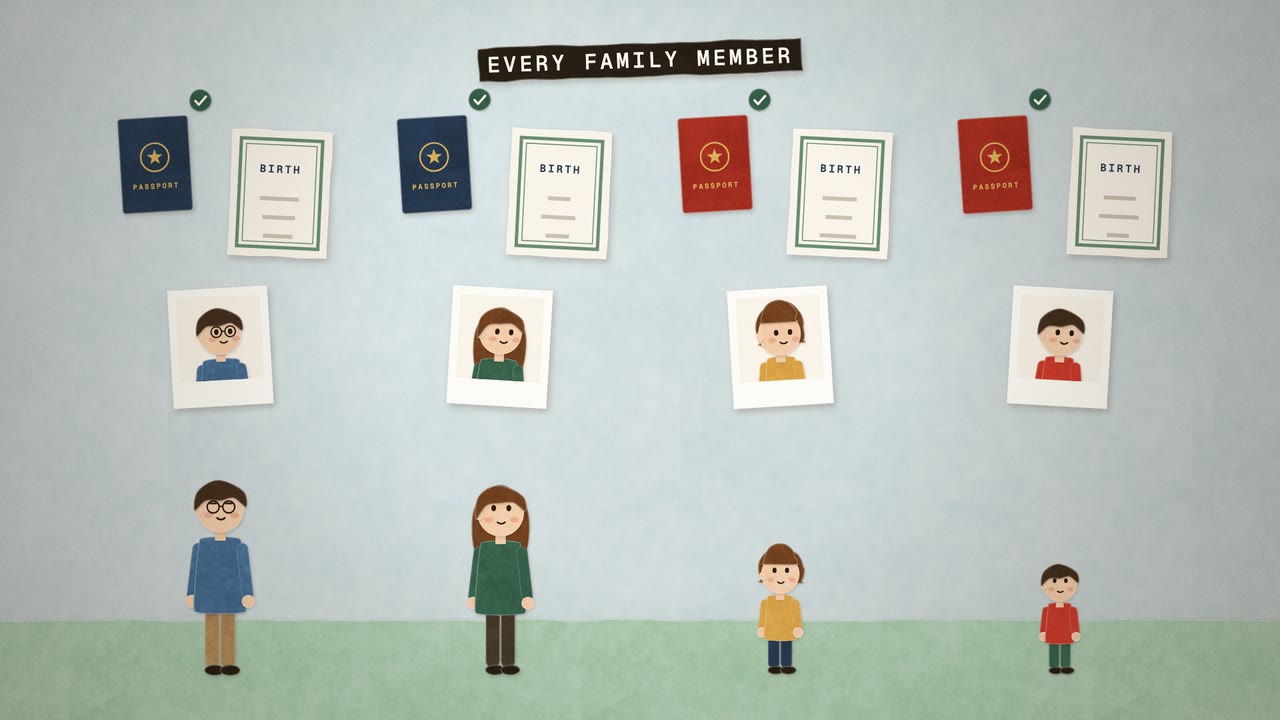
List everyone the plan affects: a partner, children, parents or other dependants. For each, jot down their age, nationality, current country of residence and anything that might be relevant, such as a particular educational need, a health consideration or their own career plans.

If a partner or older child has a strong view, it can be helpful for them to join the conversation, or at least to share their priorities with you beforehand.

Gather the key facts

You do not need to bring documents to a first meeting, but having the basic facts to hand makes the discussion far more precise:

  • nationalities and passports held by each family member;
  • countries where each person has lived, and for roughly how long;
  • education and professional qualifications for the adults;
  • current schooling for any children;
  • current employment and whether it could move with you;
  • any previous visa applications, refusals or immigration history.

Be open about anything complicated. Advisers can only plan around what they know, and information shared in a consultation is treated confidentially.

Consider your timescale and constraints

Think about when you would ideally like to move and what fixes that date. School years, contract end dates, tenancies and family events all play a part. Also note anything that cannot change, so that the advice reflects your real circumstances.

Decide what you want to leave with

Before the meeting, write down the three or four things you most want to understand by the end of it. Typical aims include a shortlist of realistic routes, an idea of the steps and order involved, an understanding of what documents will matter, or a sense of the likely timeline.

Having these written down keeps the conversation focused and makes it easy to check that everything has been covered before you finish.

Afterwards

Take a few notes straight after the call while it is fresh. Record the options discussed, any points you need to research or confirm, and the suggested next steps. Share them with anyone else involved in the decision. If something was unclear, follow up promptly rather than letting it linger.

How Kaitu can help

Our first consultations are designed to give you a clear picture of the options that fit your family and your goals, and the practical steps to follow. When you are ready, book a free consultation, or join one of our online events to learn more first.

Keep reading

More from the Kaitu Journal.

Guides

Five steps, one road: how a Kaitu plan works

From a first, free conversation to your first day abroad — and every goal after it. Scroll the road to see how a Kaitu plan unfolds, step by step.

Kaitu Editorial · · 3 min read
Talk it through with us

A free, private consultation with a senior Kaitu consultant — no obligation.

Book a free consultation

Most read

Guides

Five steps, one road: how a Kaitu plan works

From a first, free conversation to your first day abroad — and every goal after it. Scroll the road to see how a Kaitu plan unfolds, step by step.

Kaitu Editorial · · 3 min read
Citizenship

Red flags when choosing an investment migration adviser

The adviser you choose shapes the whole experience, from programme selection to due diligence. The warning signs to look out for, and what good professionals do instead.

Kaitu Editorial · · 3 min read
Citizenship

Dual citizenship: why your home country's rules come first

Gaining a second nationality can, in some cases, cost you your first. Why checking your home country's position should come before anything else, and the other checks worth making early.

Kaitu Editorial · · 3 min read
News

Introducing Kaitu language exchanges

Kaitu now hosts language exchanges, online and in person, where people practise a language with others who are heading the other way.

Kaitu Editorial · · 3 min read

Editors’ picks

News

Kaitu's new events season

A new season of Kaitu events is open for booking, from online webinars and language exchanges to in-person evenings that are also broadcast online. Here is what to expect and how joining works.

Kaitu Editorial · · 3 min read
Company

Introducing the Kaitu Journal

A home for our news, practical guides and honest perspective on studying, living and building a life abroad.

Kaitu Editorial · · 2 min read

In depth

Guides & explainers

Citizenship

The due-diligence process, explained

Why governments look so closely at every applicant — and how good preparation turns a stressful stage into a straightforward one.

Kaitu Editorial · · 2 min read

Also in the Journal

Admissions

UCAS and the Common App, compared

British and American universities ask for very different things. Understanding how each system reads an applicant makes applying to both far more manageable.

Kaitu Editorial · · 4 min read
Admissions

Finding the material for your personal statement

Strong statements are built from good material, not clever sentences. A simple inventory of experiences, reading and moments helps students find what is worth saying.

Kaitu Editorial · · 3 min read

You may have missed

Admissions

Campus visits: what to look for and what to ask

A good visit tells you things no prospectus can. Here is how to plan one, who to speak to and which questions are worth asking.

Kaitu Editorial · · 4 min read

From the Journal

Admissions

Planning the testing year

English-language tests and entrance exams can crowd an already busy year. A clear testing plan keeps scores, deadlines and schoolwork in balance.

Kaitu Editorial · · 3 min read
Stay on the road

New articles, in your inbox.

Occasional letters with our latest guides and news. No noise, unsubscribe any time.

Kaitu Journal

The Kaitu Journal is part of Kaitu. Sponsored articles and advertisements are always labelled.