
Planning a move around school years, contracts and leases

The best time to move is often decided by commitments you already have. Here is how to map school years, work contracts, leases and other constraints into a realistic timeline.

Kaitu Editorial9 June 2026 · 4 min read
A papercraft calendar with school books, house keys and a briefcase arranged around it

Most families have more freedom over where they move than over when. School calendars, notice periods, tenancy agreements and visa processing times all set limits, and they rarely line up neatly. Mapping these constraints early turns a vague intention into a timeline you can actually follow.

List every fixed commitment

Start by writing down everything that has a date attached:

  • the school year at home and at the destination, which may start and end at quite different times;
  • key examinations or assessment years for any child;
  • notice periods on employment contracts, and any bonuses, vesting dates or contractual obligations;
  • the end date and notice terms of your tenancy, or the timeline for selling a property;
  • planned family events, medical treatment or care responsibilities;
  • passport expiry dates for every family member.

Put them all on a single calendar spanning the next year or two. Patterns tend to emerge quickly.

School years first

For families with children, the school calendar is often the most important constraint. Moving at the natural break between school years generally causes the least disruption, though the break may fall at different times of year in each country.

Examination years deserve particular care. A child partway through a qualification course may find it hard to continue in a different system, so it can be worth timing the move either before the course starts or after it finishes. Speak to both current and prospective schools about how they handle transfers.

Admissions processes can open well before the start of the school year, and popular schools may have waiting lists. Factor in time to research, apply and, where needed, assess.

Work and income

Employment contracts shape when an adult can leave and when they can start. Check notice periods, any restrictions on working for competitors, and the timing of any benefits linked to staying until a certain date.

If a new job is involved, remember that the right to work usually needs to be in place before the start date, and that processing times vary. Build in a margin rather than assuming the fastest outcome.

Housing at both ends

A tenancy that ends too early leaves you without a home; one that ends too late means paying for two. Check the notice terms and whether early termination is possible. If you own a property, decide whether to sell or let it, as both take time to arrange.

At the destination, landlords may expect proof of residence, local income or a local bank account, which can be difficult in the first weeks. Temporary accommodation can bridge the gap while you search.

Working backwards from the move date

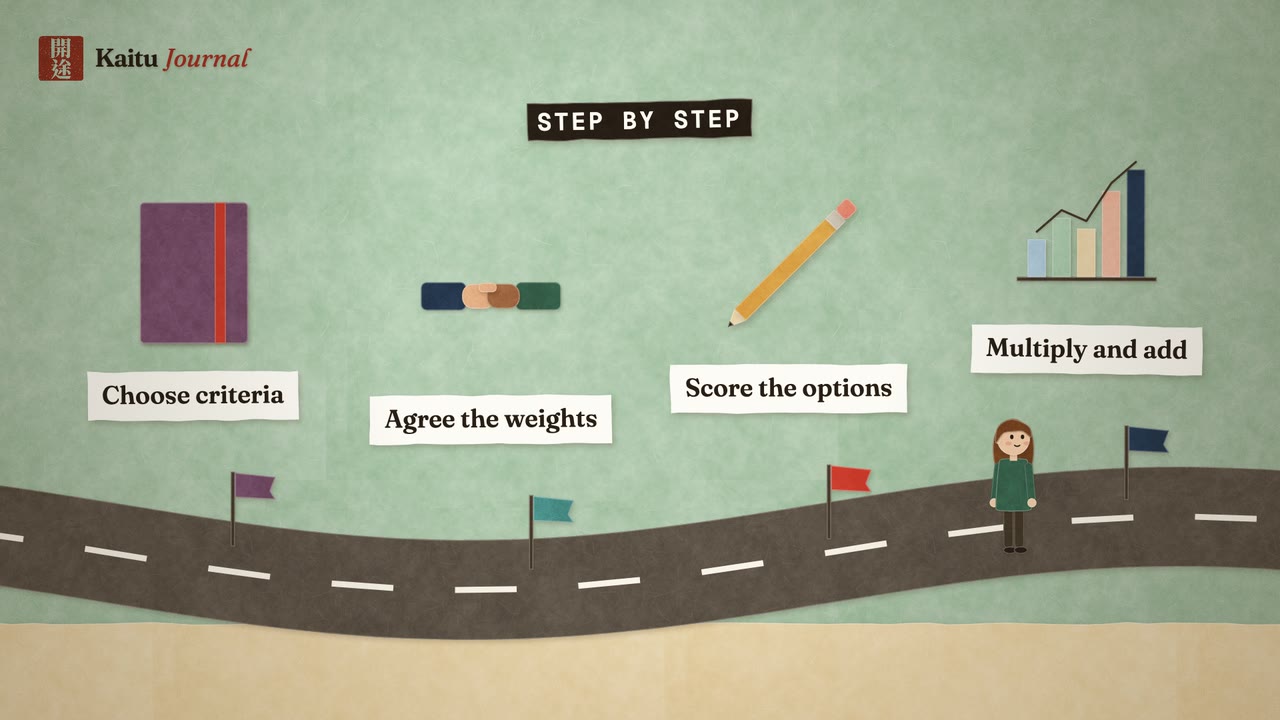
Once the constraints are mapped, choose a target arrival window and work backwards:

  1. Visa or residence application, allowing for processing time and document preparation.
  2. School applications and any assessments.
  3. Notice periods for work and housing.
  4. Shipping, pets and other logistics.
  5. Gathering and authenticating documents, which often needs to start first.

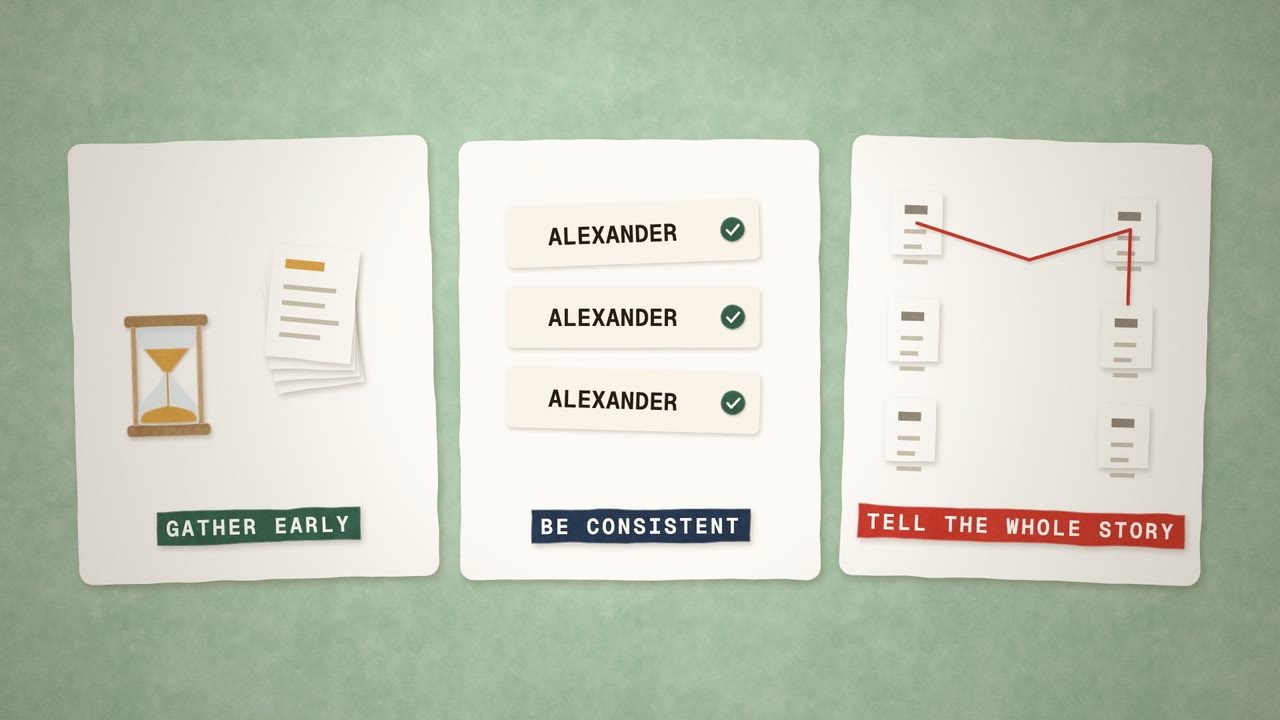
Many families find that the move needs to begin earlier than expected, simply because document preparation takes time.

Plan for slippage

Timelines rarely run exactly to plan. Identify which dates are truly fixed and which can move, and decide in advance what you would do if a visa took longer or a school place fell through. Staggered moves, with one parent going ahead, are a common fallback.

Throughout, check current official rules and processing guidance for your destination, as these change.

How Kaitu can help

We help families build a single timeline covering residence, schooling, work and logistics, and keep it on track as circumstances change. To discuss your plans, book a free consultation or learn about our admissions support.


Keep reading

More from the Kaitu Journal.

Guides

Five steps, one road: how a Kaitu plan works

From a first, free conversation to your first day abroad — and every goal after it. Scroll the road to see how a Kaitu plan unfolds, step by step.

Kaitu Editorial · · 3 min read
Guides

Getting the most from a first consultation

A little preparation turns a first consultation from a general conversation into a practical plan. Here is what to gather and what to think through beforehand.

Kaitu Editorial · · 3 min read
Talk it through with us

A free, private consultation with a senior Kaitu consultant — no obligation.

Book a free consultation

Most read

Guides

Five steps, one road: how a Kaitu plan works

From a first, free conversation to your first day abroad — and every goal after it. Scroll the road to see how a Kaitu plan unfolds, step by step.

Kaitu Editorial · · 3 min read
Citizenship

Red flags when choosing an investment migration adviser

The adviser you choose shapes the whole experience, from programme selection to due diligence. The warning signs to look out for, and what good professionals do instead.

Kaitu Editorial · · 3 min read
Citizenship

Dual citizenship: why your home country's rules come first

Gaining a second nationality can, in some cases, cost you your first. Why checking your home country's position should come before anything else, and the other checks worth making early.

Kaitu Editorial · · 3 min read
News

Introducing Kaitu language exchanges

Kaitu now hosts language exchanges, online and in person, where people practise a language with others who are heading the other way.

Kaitu Editorial · · 3 min read

Editors’ picks

News

Kaitu's new events season

A new season of Kaitu events is open for booking, from online webinars and language exchanges to in-person evenings that are also broadcast online. Here is what to expect and how joining works.

Kaitu Editorial · · 3 min read
Company

Introducing the Kaitu Journal

A home for our news, practical guides and honest perspective on studying, living and building a life abroad.

Kaitu Editorial · · 2 min read

In depth

Guides & explainers

Citizenship

The due-diligence process, explained

Why governments look so closely at every applicant — and how good preparation turns a stressful stage into a straightforward one.

Kaitu Editorial · · 2 min read

Also in the Journal

Admissions

UCAS and the Common App, compared

British and American universities ask for very different things. Understanding how each system reads an applicant makes applying to both far more manageable.

Kaitu Editorial · · 4 min read
Admissions

Finding the material for your personal statement

Strong statements are built from good material, not clever sentences. A simple inventory of experiences, reading and moments helps students find what is worth saying.

Kaitu Editorial · · 3 min read

You may have missed

Admissions

Campus visits: what to look for and what to ask

A good visit tells you things no prospectus can. Here is how to plan one, who to speak to and which questions are worth asking.

Kaitu Editorial · · 4 min read

From the Journal

Admissions

Planning the testing year

English-language tests and entrance exams can crowd an already busy year. A clear testing plan keeps scores, deadlines and schoolwork in balance.

Kaitu Editorial · · 3 min read
Stay on the road

New articles, in your inbox.

Occasional letters with our latest guides and news. No noise, unsubscribe any time.

Kaitu Journal

The Kaitu Journal is part of Kaitu. Sponsored articles and advertisements are always labelled.