
A prospectus shows a university at its best. A visit shows it as it is on an ordinary day. For students choosing between places that look similar on paper, an afternoon on campus can settle questions that months of reading could not. The trick is to go with a plan rather than simply follow the tour.
Before you go
Decide what you want to learn. A visit without a purpose tends to become a pleasant walk with no conclusions. Before travelling, a student might write down:
- Three things they need to be true of their university.
- Two or three concerns about this particular place.
- The specific department, facilities or services they want to see.
Check whether the university runs open days, departmental talks or sample lectures, and whether you need to register. Visits outside open days can be just as useful, since you see the campus without the extra polish.
What to look for
Pay attention to the ordinary details. Where do students eat, study and spend time between classes? Is the library busy? Do the teaching rooms suit the way the student likes to learn? How far is student accommodation from lectures, and what is the surrounding town or city like after dark?
Notice, too, how it feels. Students often know within an hour whether they could see themselves living somewhere for several years. That instinct deserves weight, alongside the evidence.
Who to talk to
The official tour guide is helpful, but try to speak to a wider range of people:
- Current students on the course, who can describe teaching, workload and assessment honestly.
- Academic staff in the department, who can explain how the course is structured and what they look for in applicants.
- International student advisers, who know about visas, arrival support and settling in.
- Careers and accommodation teams, if those services matter to your decision.
Questions worth asking
Good questions are specific and open. Rather than asking whether teaching is good, ask how students are taught in the first year and how much contact time they have with academic staff. Some that tend to produce useful answers:
- How large are typical classes, and how does that change in later years?
- How is work assessed, and how quickly do students receive feedback?
- What support is there for students who find the transition difficult?
- What do graduates of this course usually go on to do?
- How do international students tend to find their first term?
- What would you change about the course if you could?
Write the answers down soon after. After several visits, details blur together.
Virtual visits
Travel is not always practical, especially for families considering several countries. Most universities now offer virtual tours, recorded lectures, live online information sessions and chances to message current students. Used well, these are a genuine substitute rather than a second-best.
Treat a virtual visit with the same discipline as a real one: prepare questions, attend live sessions where you can ask them, and look beyond the official videos to student-produced content and course handbooks.
After the visit
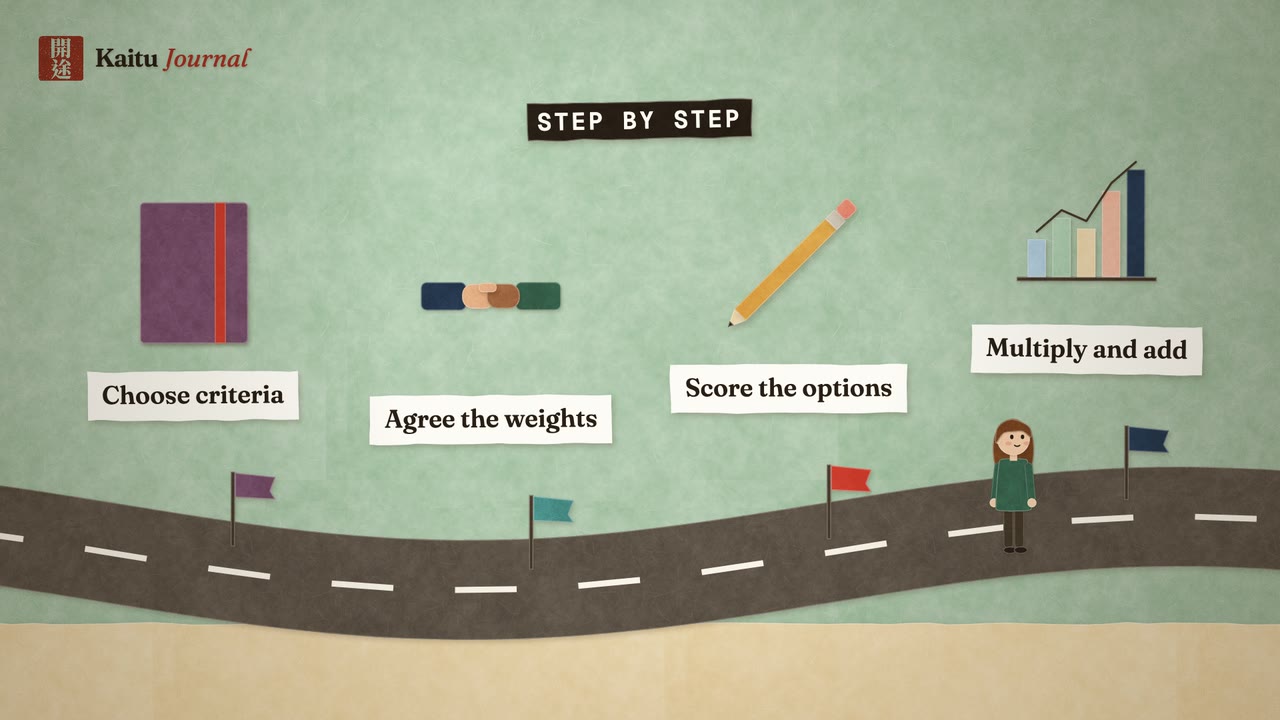
Compare notes against the list you wrote beforehand. Did the university meet the needs you identified? Did it ease your concerns or confirm them? A short written comparison of each place visited makes shortlist decisions much clearer later in the year.
How Kaitu helps
We help students decide which universities are worth visiting, prepare questions for each and make sense of what they learn. Our in-person events and online events also bring families into contact with universities and current students.