When families compare residency programmes, they tend to start with the investment and the paperwork. Yet one quieter detail often decides whether a programme genuinely fits: how much time you are expected to spend in the country. Getting this right early saves a great deal of disappointment later.
What "physical presence" means
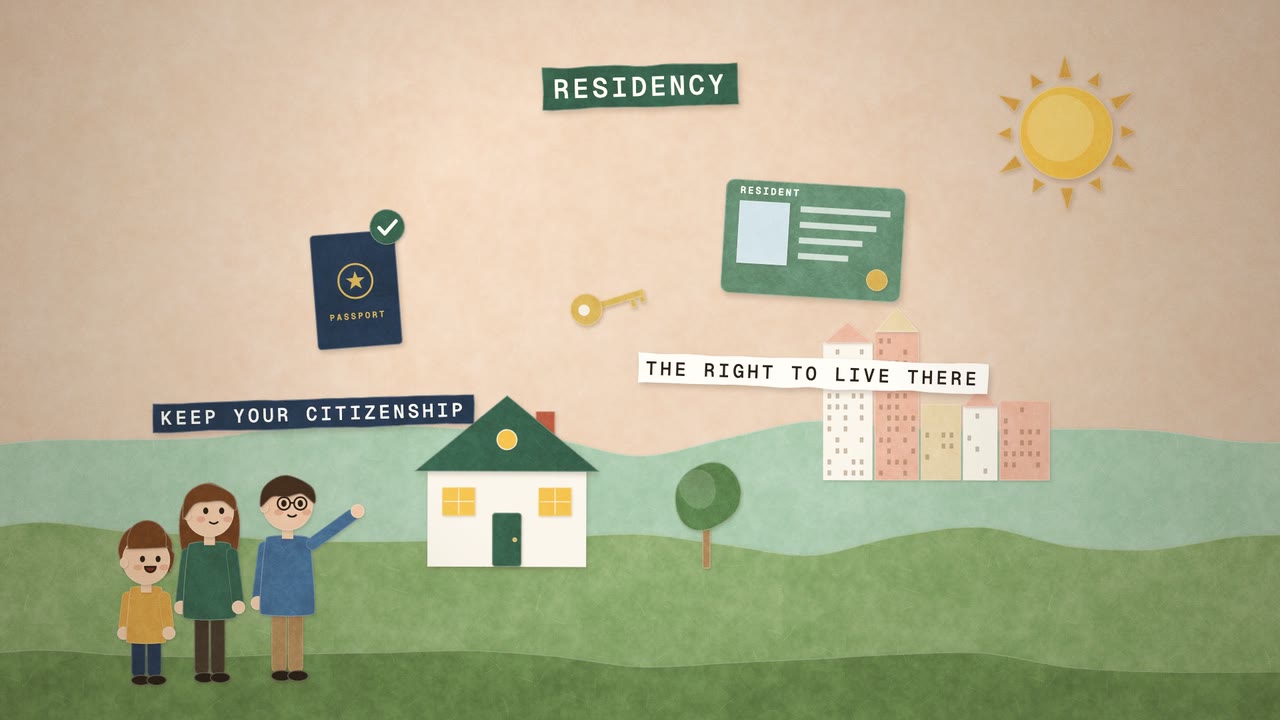
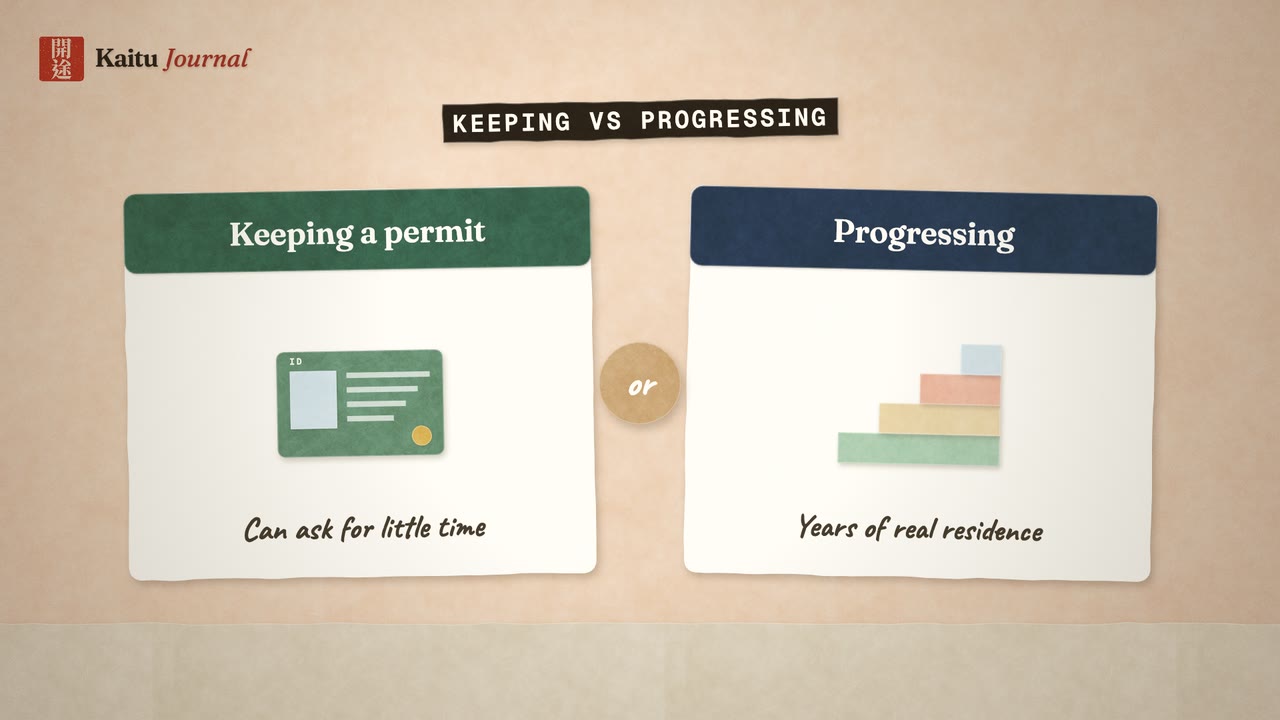
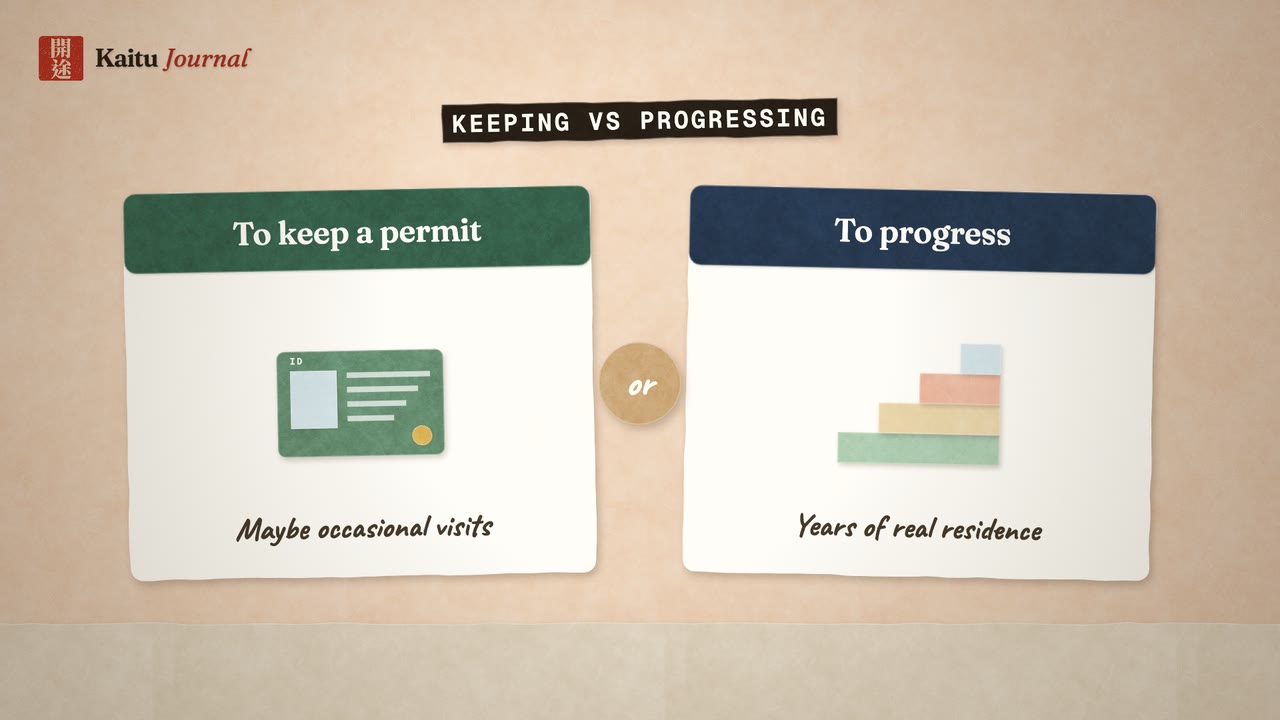
Physical presence is simply time spent inside the country that issued your permit. Programmes use it in two different ways, and it helps to keep them apart:
- To keep the permit. Some programmes ask for a minimum stay each year, or across the life of the permit, for it to remain valid or to be renewed.
- To progress further. Moving from temporary residence to permanent residence, and from there to citizenship by naturalisation, usually depends on a longer and more continuous record of living in the country.
A programme can be relaxed about the first and strict about the second. That is why "low presence" in a brochure does not necessarily mean a quick road to a passport.
Why it changes the answer
Presence rules interact with almost every part of a family's life:
- Work and business. A parent who travels constantly may struggle with any meaningful stay requirement.
- Schooling. Children enrolled in a school elsewhere may anchor the family away from the new country for most of the year.
- Tax. Time spent in a country can affect where you are treated as tax resident, which is a separate question from your permit and needs its own advice.
- Long-term goals. If citizenship is the eventual aim, the residence you actually build up matters far more than the permit you hold.
For some families, a programme with light requirements is ideal because it offers an option without disrupting life. For others who are planning a real move, a programme with stronger presence expectations may be perfectly comfortable, and may offer a clearer path to permanence.
The road from residence to citizenship
In most countries, naturalisation is not automatic. It typically depends on a combination of factors, which may include:
- A qualifying period of lawful residence, often counted in a particular way.
- Limits on how long you can be absent during that period.
- Evidence of integration, such as language ability or knowledge of the country.
- A clean record and continued compliance with the terms of your permit.
- Whether the country allows you to keep your existing nationality.
Each of these is set by national law, and each can change. Rules on how days are counted, which absences are excused and what counts as continuous residence differ widely, so it is essential to read the current official rules rather than relying on summaries.
Keeping good records
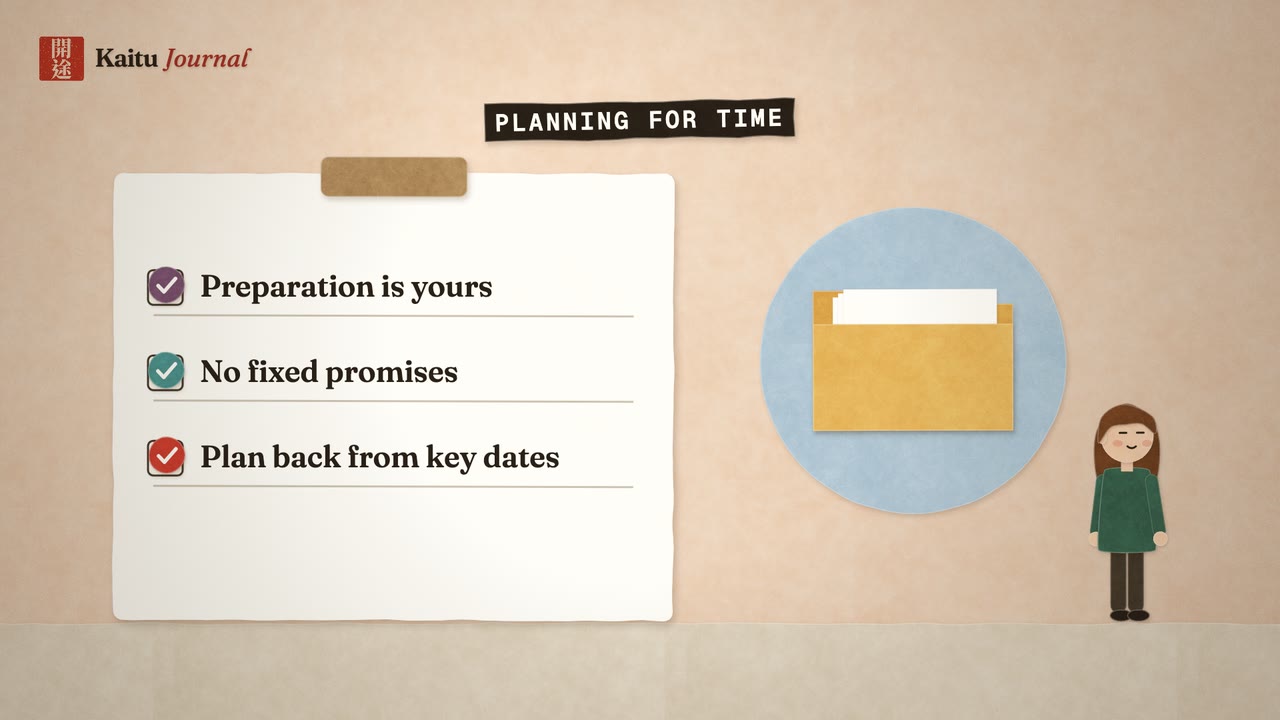
Whatever programme you choose, treat your presence as something to evidence, not assume. Useful habits include:
- Keeping copies of entry and exit stamps, or digital travel records where stamps are no longer used.
- Retaining travel bookings, boarding passes and accommodation records.
- Noting any extended absences and the reasons for them.
- Keeping your address registration and local documents up to date.
When the time comes to renew or apply for a further status, a tidy record makes the application far more straightforward.
Matching rules to real life
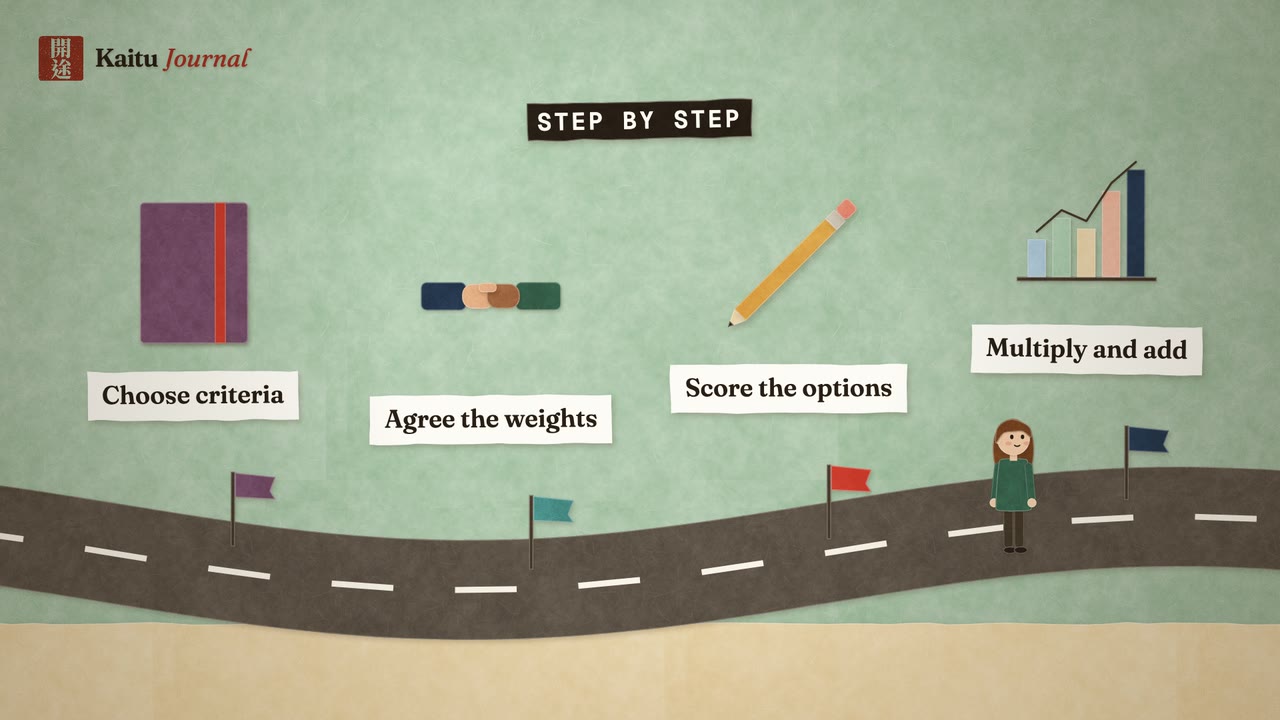
The most useful exercise is an honest one. Sketch out how your family is likely to spend the next several years: where the children will study, where work will take you, and how often you can realistically travel. Then compare that picture with each programme's current requirements, both for keeping the permit and for progressing towards citizenship. A programme that fits your calendar is worth far more than one that looks attractive on paper.
How Kaitu helps
We map presence requirements against each family's real plans before recommending any route, and we keep that picture under review as rules change. To explore which programmes might suit your circumstances, book a free consultation, or browse our residency guidance.