Every reputable residency and citizenship programme looks closely at the money behind an application. For most applicants there is nothing to hide, yet this is still where many files slow down. The reason is rarely the facts themselves, but how well they are evidenced. A little preparation turns a demanding stage into a manageable one.
Two related questions
Although the terms are often used together, they ask different things.
- Source of funds concerns the specific money used for the investment. Where is it held, how did it get there, and how will it move to the programme?
- Source of wealth concerns your overall financial position. How did you build the wealth you have, over your working life and beyond?
A clear account of both shows that the investment is consistent with a legitimate history.
What reviewers typically look for
Each programme and each bank sets its own requirements, but reviewers generally want to see:
- A logical story that connects your career, business or inheritance to your current position.
- Documents that support each step of that story.
- A traceable path for the funds from their origin to the investment.
- Consistency between what you say and what independent checks reveal.
Building your paper trail
The documents depend on how your wealth was created. Common examples include:
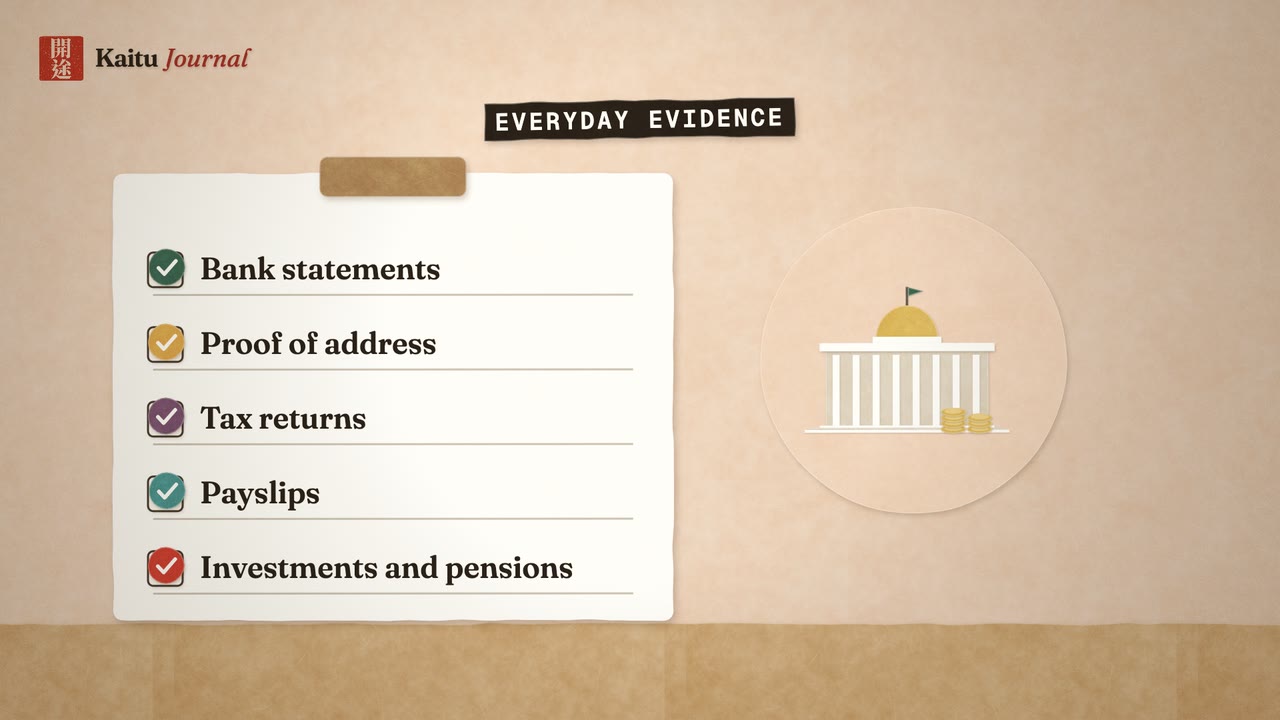
- Employment income. Employment contracts, payslips, employer letters and tax returns.
- Business ownership. Company registration documents, shareholding records, financial statements and evidence of dividends or sale proceeds.
- Sale of property or investments. Sale agreements, completion statements and statements showing receipt of proceeds.
- Inheritance or gifts. Wills, probate or estate documents, gift letters and evidence of the donor's own source of wealth.
- Investment returns. Portfolio statements and records of income or gains.
- Bank statements. Showing funds arriving and accumulating in the account to be used.
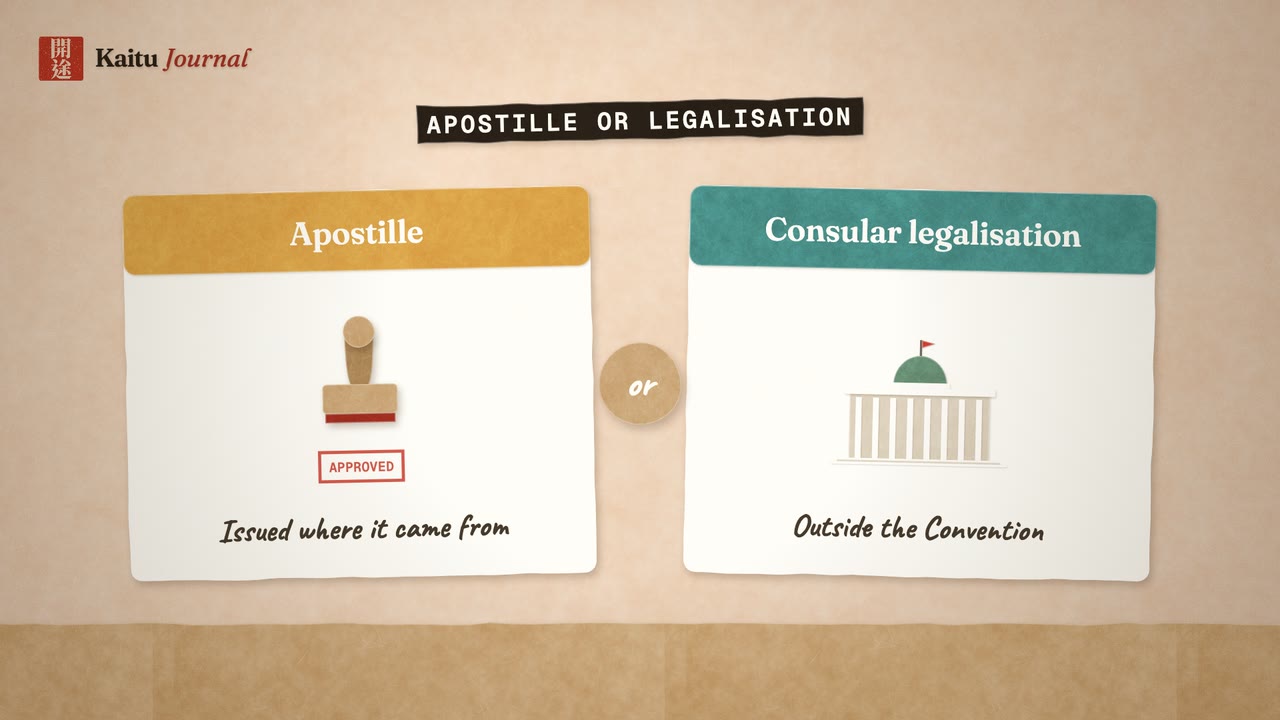
Where documents are in another language, certified translations will usually be needed.
Common difficulties
Several situations need particular care:
- Older wealth. Records from many years ago may be incomplete. A written narrative, supported by whatever evidence remains, often helps.
- Cash or informal transactions. These are hard to evidence and should be discussed with your adviser early.
- Funds that have moved between many accounts. Each transfer should be traceable, with clear reasons.
- Gifts from family members. The person giving the gift may need to evidence their own wealth.
- Complex structures. Trusts, holding companies and nominee arrangements need clear explanation of ownership and control.
Writing the narrative
A short, factual summary of how your wealth was built ties the evidence together. It should be chronological, avoid jargon and refer to supporting documents by name. Accuracy matters more than polish. Never overstate or simplify beyond the facts; reviewers will compare your account against independent sources.
Start early
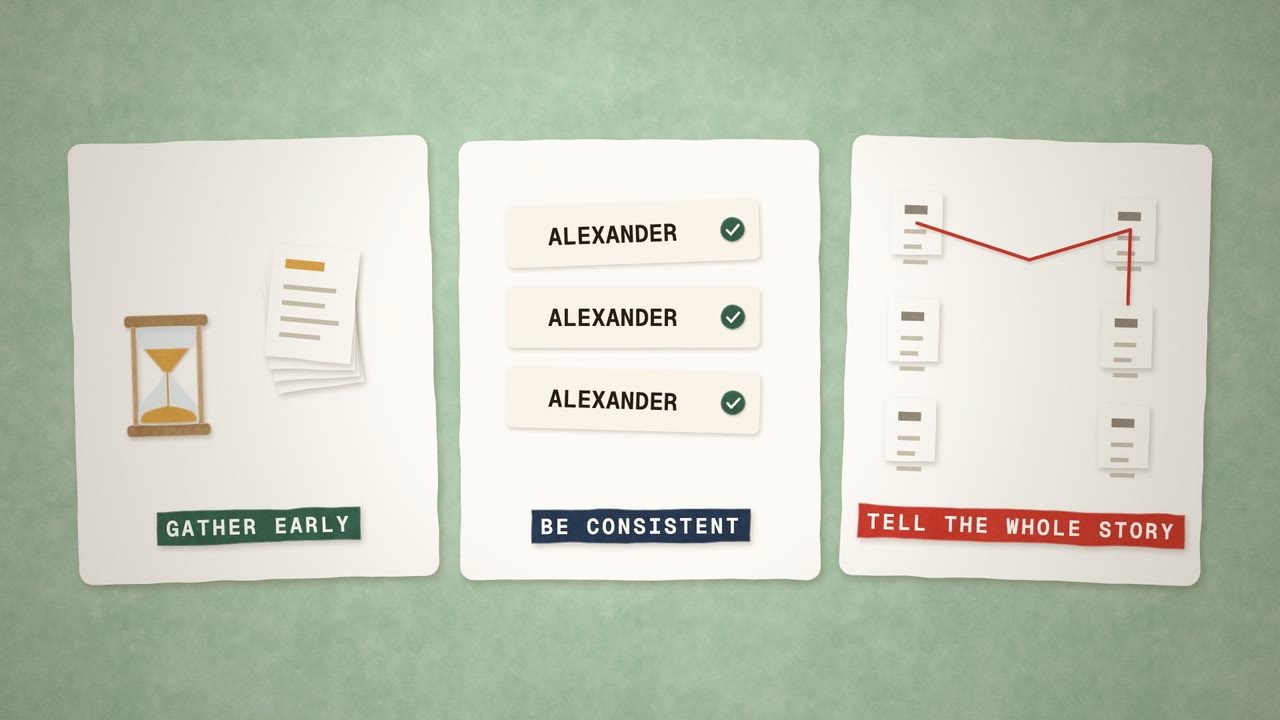
Gathering financial records from banks, employers, accountants and registries can take time, particularly across borders. Starting early, and agreeing on one consistent set of names, dates and figures, prevents the small discrepancies that cause the longest delays. Requirements also change, so confirm the current official guidance for your programme.
How Kaitu helps
We help families build a clear source-of-funds and source-of-wealth file, reviewing every document for gaps and inconsistencies before submission. To talk through your own situation in confidence, book a free consultation, or find checklists in our resources.