References are the part of an application students control least. They are written by someone else and often never seen by the applicant. Yet students have more influence than they think: over who writes, when they are asked and how much useful information the referee has to work with.
What universities want from a reference
Different systems use references in different ways. In the UK, a single school reference typically covers academic ability, predicted grades and suitability for the chosen subject. In the US, universities often ask for a counsellor letter as well as one or more letters from teachers, and they read them for insight into character, curiosity and contribution to the classroom. Graduate programmes usually want academic or professional referees who can speak to research potential or relevant experience.
Check exactly what each university and application platform requires, including how many referees, what roles they should hold and how letters are submitted.
Choosing the right referee
The best referee is not necessarily the most senior person a student knows. Universities want evidence, and evidence comes from people who have seen the student's work closely. Good choices tend to be:
- Teachers who have taught the student recently, ideally in a subject related to the intended course.
- Teachers who have seen the student improve, engage or take initiative, not only perform well.
- Supervisors from relevant work, research or projects, where the university accepts them.
A warm, detailed letter from a teacher who knows the student well is far more useful than a brief, generic letter from a prominent name.
Asking at the right time
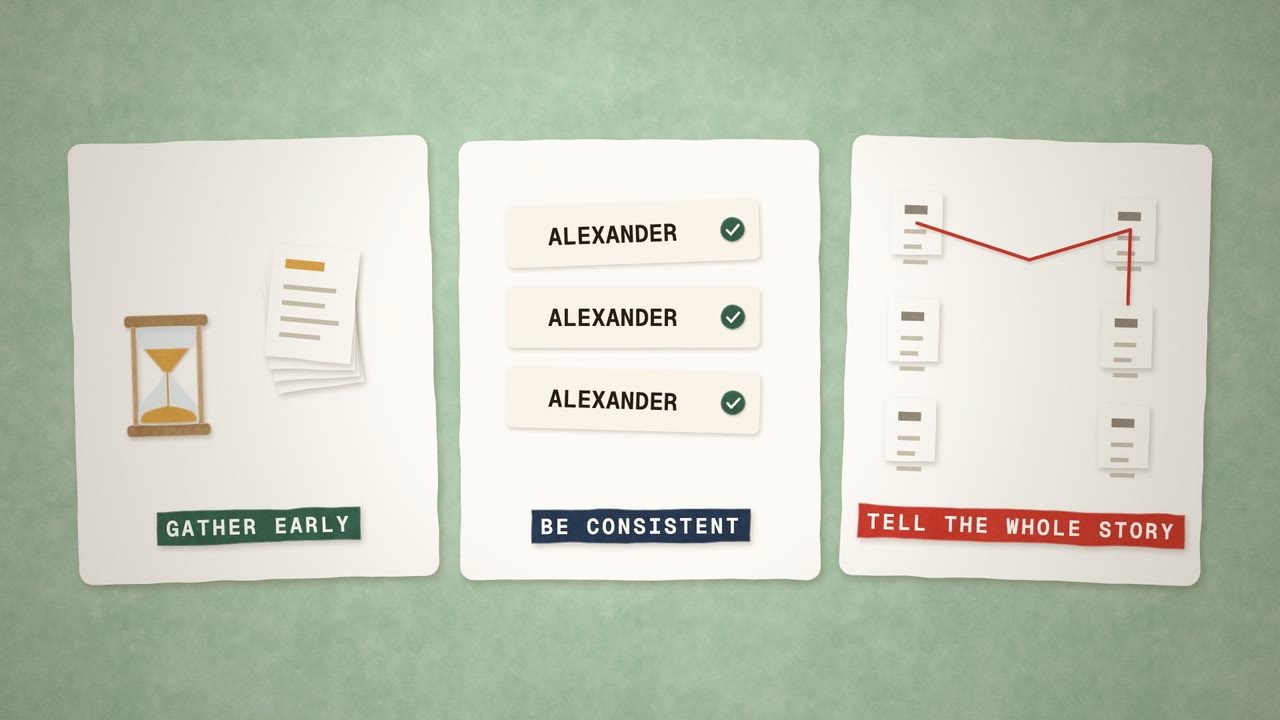
Teachers write many references, often in the same few busy weeks. Ask early, well before any deadline, and in person where possible. A polite request might mention:
- Which universities and courses the student is applying to.
- The deadlines involved and how the letter will be submitted.
- Why the student hopes this particular teacher will write.
Give the referee an easy opportunity to decline. A reluctant referee rarely writes a strong letter.
Helping referees write well
Referees write better letters when they have good material. A short, well-organised information sheet is a courtesy that many teachers welcome. It could include:
- The courses and universities applied for, and why.
- Work in the referee's subject the student is proud of, with brief reminders of specific pieces or moments.
- Activities, responsibilities and achievements outside class.
- Anything relevant the referee may not know about, such as circumstances that affected the student's studies.
The student should not draft the letter or suggest wording. The purpose is to jog the referee's memory and save them time, not to write on their behalf.
Waiving access
Some application systems ask whether the student waives the right to see their references. Universities generally place more trust in letters the applicant has not read, and many advisers recommend waiving. Read the wording carefully and consider the advice of the school counsellor.
Following up and saying thank you
A gentle reminder shortly before a deadline is reasonable, especially when the referee is writing for several students. Once letters are submitted, a sincere thank-you note is appropriate, and referees usually appreciate hearing about the outcome later.
How Kaitu helps
We help students identify the right referees, prepare clear information sheets and coordinate deadlines across every application. To find out more, visit our admissions page or book a free consultation.