
Residency programmes are marketed with confidence. Brochures and websites lead with the benefits: travel, lifestyle, security, a route to something more. Little of this is untrue, but it is rarely the whole picture. A structured comparison helps you look past the headline and choose on the basis of your own priorities.
Start with your goals, not the programmes
Before looking at any programme, write down what you want residency to achieve. Typical goals include:
- Relocating the family within a defined period.
- Securing a fallback option without moving.
- Access to schools or universities for the children.
- A base for business in a particular region.
- An eventual path to permanent residence or citizenship.
Ranking these goals makes every later comparison easier. A programme can be excellent and still be wrong for you.
A framework for comparison
We find it useful to assess each programme across the same set of headings.
- Eligibility. Who can apply, and whether anything in your background, nationality or family structure creates difficulty.
- Qualifying investment. The routes available, the minimum investment the programme sets, how long the investment must be held and whether it can be recovered.
- Family inclusion. Which dependants can be included, and on what conditions.
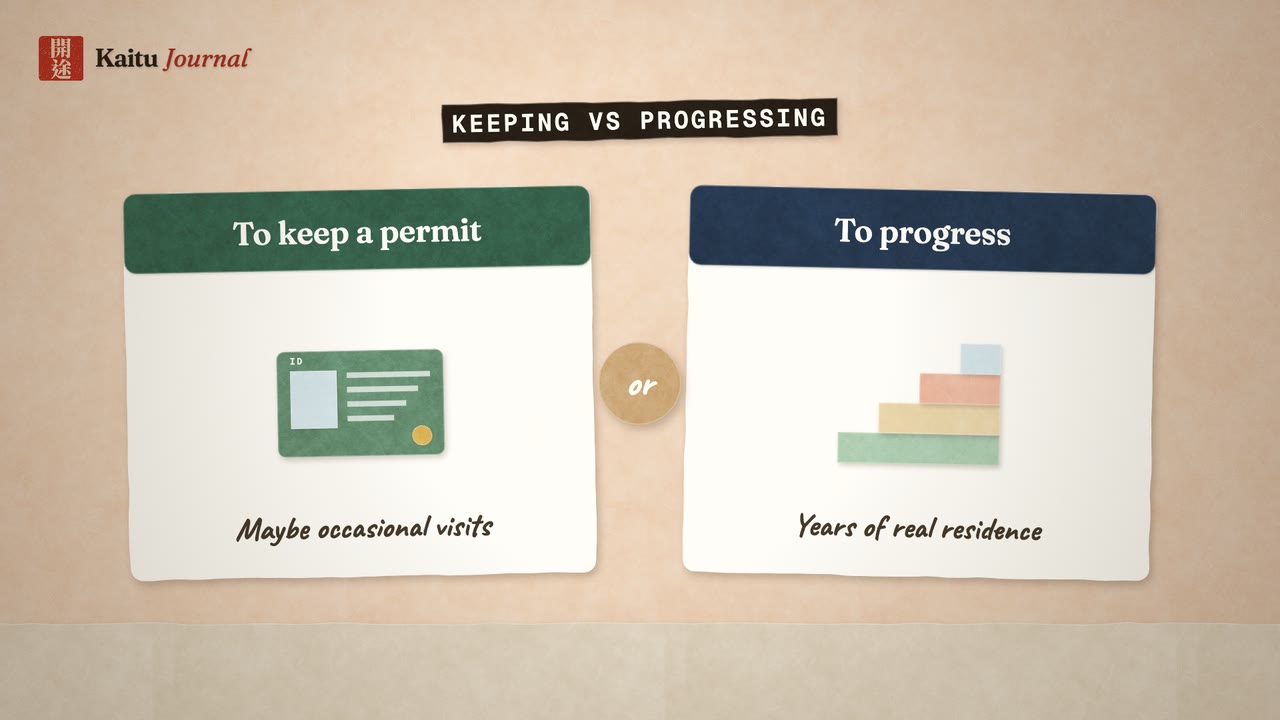
- Presence requirements. Time needed to keep the permit, and time needed to progress further.
- Rights granted. Whether the permit allows you to work, study, access healthcare and travel within a wider region.
- Path forward. Whether and how residence can lead to permanent status or citizenship, and what that requires.
- Process and timeline. The stages involved and the factors likely to cause delay.
- Stability. How often the programme has changed, and how changes have affected existing applicants.
- Total commitment. Every obligation over the life of the permit, not just the initial investment.
Look for what is not said
Brochures tend to skip over certain topics. It is worth asking specifically about:
- Renewal conditions and what happens if they are not met.
- Ongoing obligations, such as maintaining the investment or a local address.
- Restrictions on selling or transferring a qualifying asset.
- How tax residence might be affected by living in the country.
- Whether dependants keep their status as they grow older.
The answers should come from official sources or qualified professionals, not from parties who benefit from a sale.
Weigh stability seriously
Investment migration programmes change. Requirements are revised, routes are closed and new ones open. A programme that suits you today may look different by the time you are ready to apply. When comparing options, give weight to clear, published rules and a record of treating existing applicants fairly through changes. Always check the current official position rather than relying on older articles or summaries.
Put it on one page
Once you have gathered the information, set it out side by side in a simple table, with your goals listed down one side. Mark which programmes meet each goal fully, partly or not at all. Patterns usually emerge quickly, and the shortlist often shrinks to two or three options worth exploring in depth.
Be wary of false precision
Comparison tables can give a misleading sense of certainty. Processing stages vary with each case, rules are interpreted in practice, and personal circumstances can change the outcome entirely. Use the framework to narrow your choices, then test the shortlist against your family's specific situation with professional advice.
How Kaitu helps
We carry out this comparison with every family, independently and without ties to any single programme, and we keep it current as rules change. To start building your own shortlist, book a free consultation, or browse our resources for further reading.