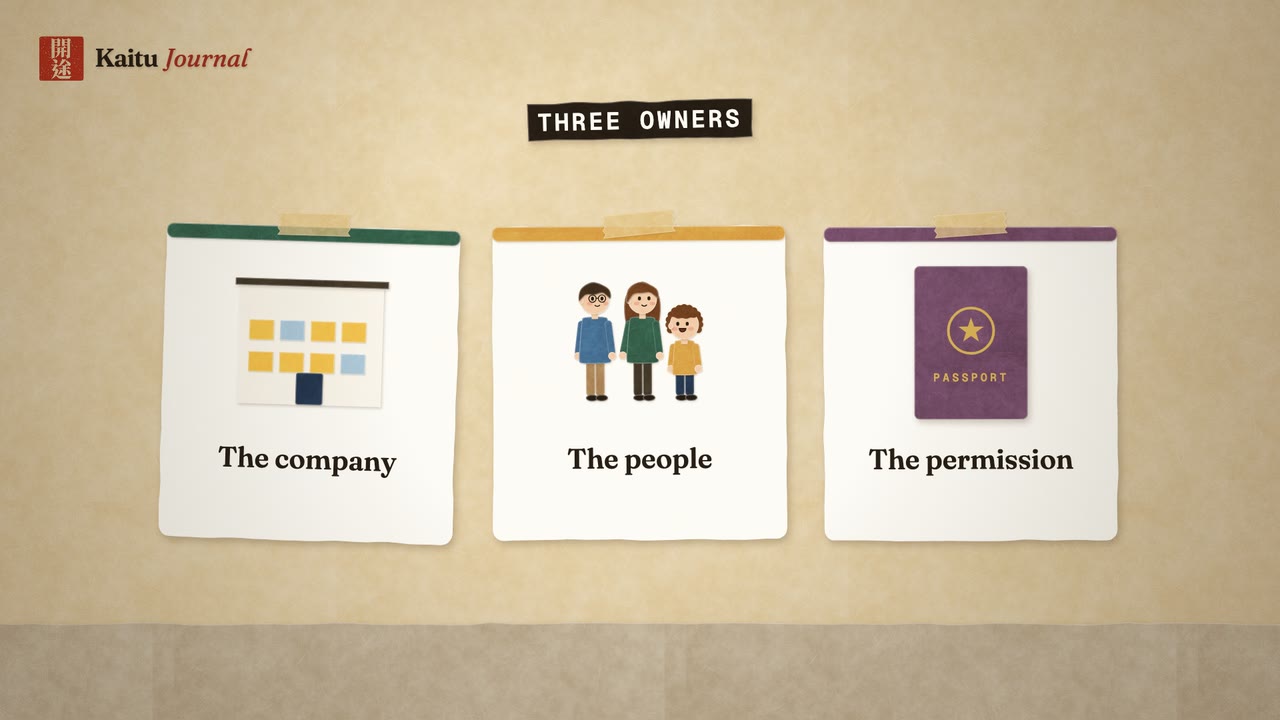
Once a company is registered abroad, there is a natural temptation to treat the hard part as done. In practice, the first three months decide whether the business settles in smoothly or spends its first year catching up. This guide sets out what usually needs attention in that period, in a sensible order.
Weeks one to four: foundations
The first month is about turning a registered entity into one that can operate.
- Bank account. If it is not already open, this is the priority. Without it, the company cannot pay suppliers, staff or authorities.
- Tax registrations. Many countries require separate registrations for business taxes, sales taxes or employment. Confirm which apply with a local accountant.
- Registered address and records. Make sure official post reaches the right person and that the company keeps the statutory registers it is required to hold.
- Accounting. Choose an accountant and a bookkeeping system early, so every transaction from day one is recorded properly.
Weeks four to eight: people
If the company will employ anyone, the second month is often when hiring begins.
- Employment contracts that follow local law, which may differ significantly from the rules you are used to.
- Payroll and social contributions, usually set up through a local provider or accountant.
- Immigration, where founders or early staff are coming from abroad. Sponsorship and visas often depend on the company already being established, so plan this alongside registration.
- Workplace basics, such as insurance and any required health and safety arrangements.
Weeks eight to twelve: operating rhythm
By the third month, the aim is a predictable routine.
- A compliance calendar listing every filing, return and renewal, with who is responsible for each.
- Board and decision-making habits, including where and how key decisions are recorded. This can matter for where the company is treated as resident.
- Contracts with customers and suppliers reviewed for local requirements.
- Licences or permits confirmed for any regulated activity.
Settling in as people, not only as a company
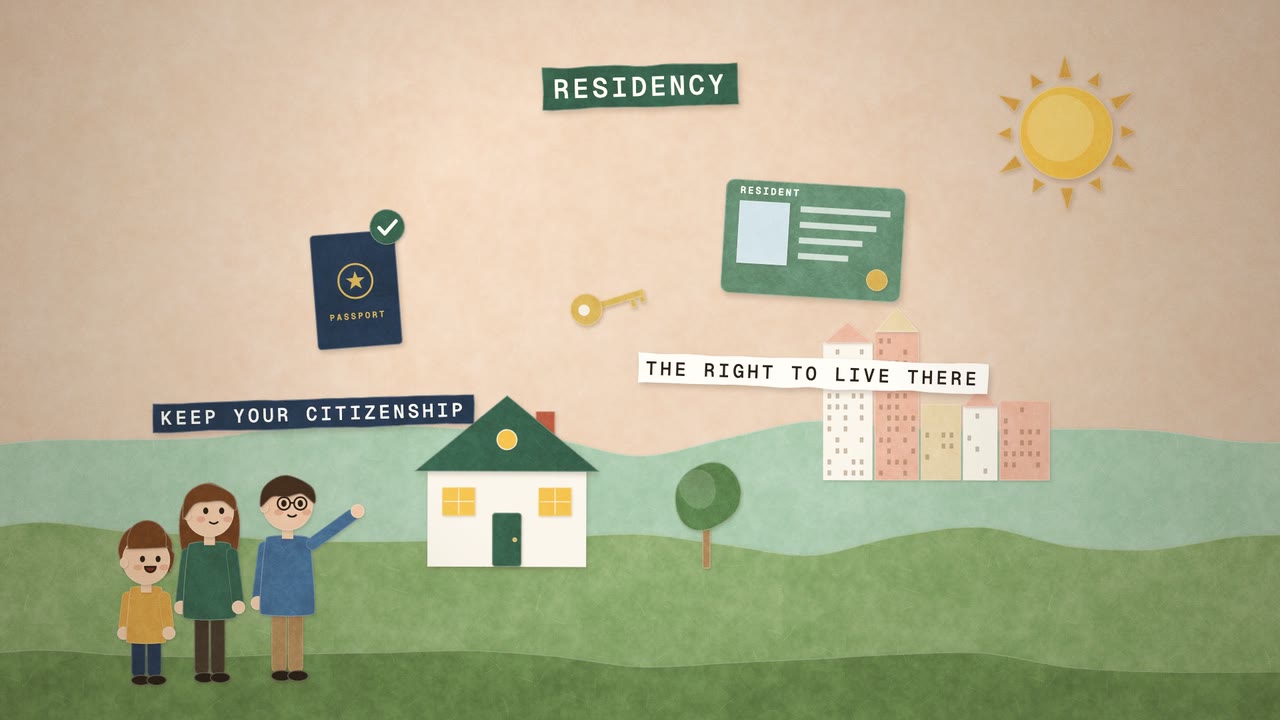
A business abroad is also a group of people adjusting to a new place. Founders who relocate need housing, healthcare registration and, often, school places for their children. These things take time and attention, and they affect how well the business runs. It helps to plan them in parallel rather than leaving them until the company is stable.
Common pitfalls
- Mixing personal and company money before the business account is open.
- Assuming the rules of the home country apply abroad.
- Leaving the first filing deadlines until they are close.
- Relying on a single person who holds all the passwords, documents and contacts.
Check, then check again
Every country has its own requirements, and they change. Use this outline as a checklist of topics rather than a statement of rules, and confirm each item with licensed local accountants and lawyers.
Where Kaitu helps
We help founders and families plan the first months of a company abroad alongside the move itself, from residence and banking introductions to schools and settling in, working with licensed local professionals for legal and tax matters. To talk it through, book a free consultation or learn more in Kaitu Academy.