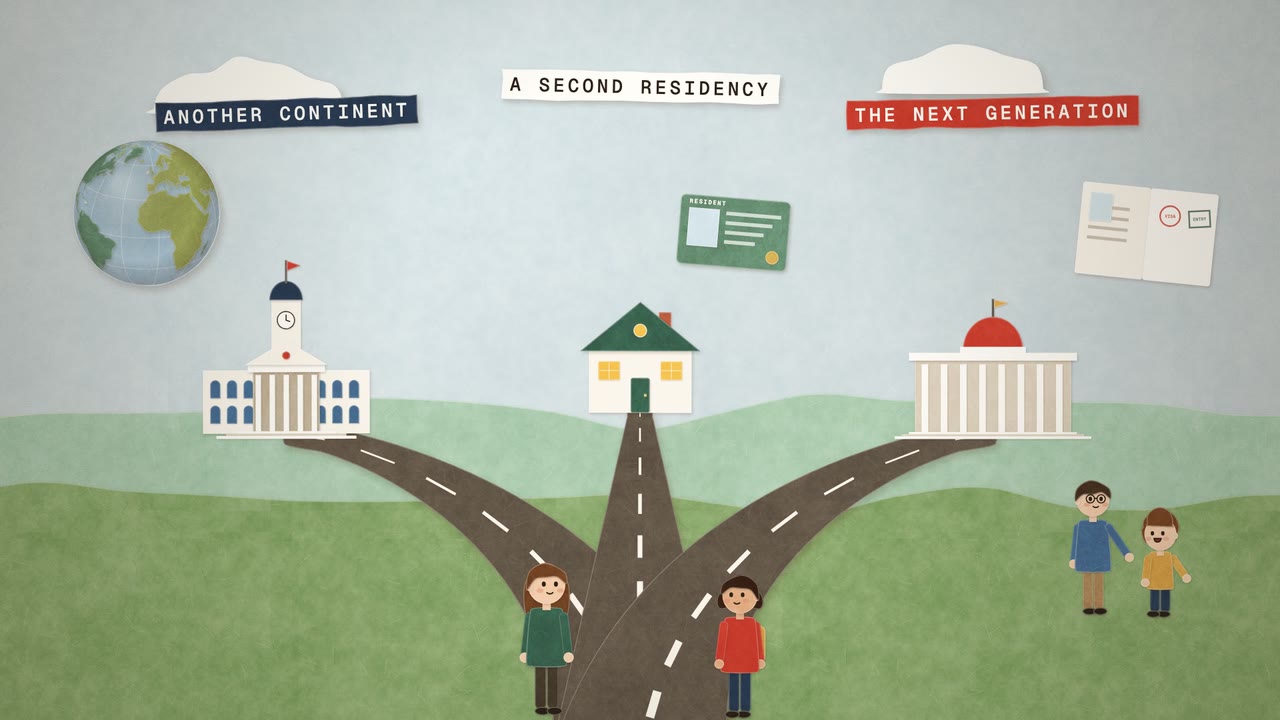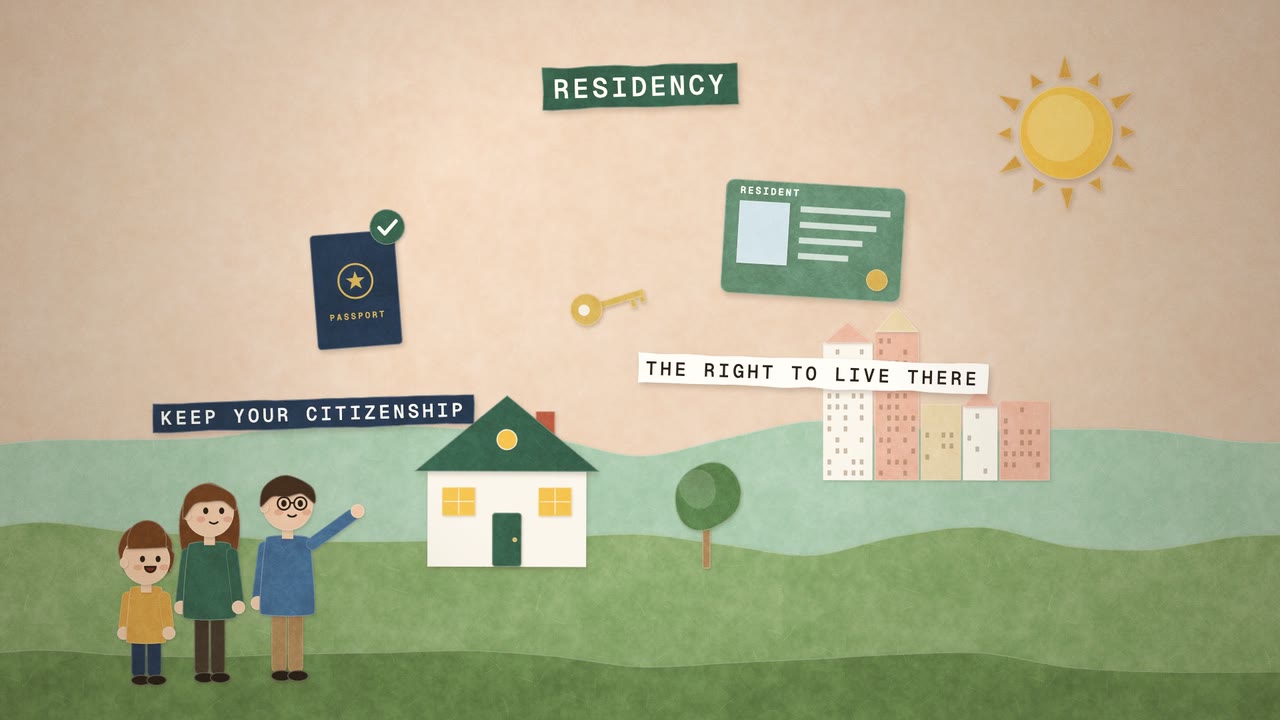
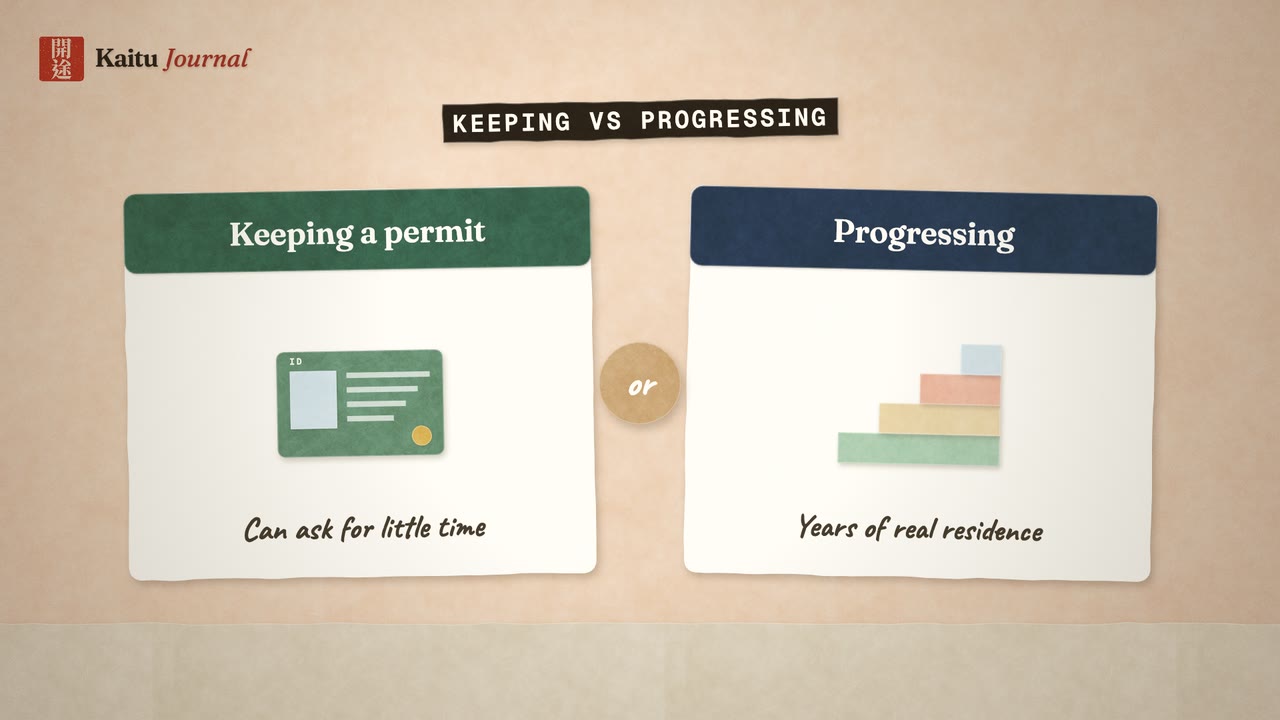
The appeal of a second citizenship is easy to understand: more options, greater mobility and a secure foundation for the next generation. But a second nationality only adds to what you have if you are allowed to keep the first. That question belongs at the very start of the process, not the end.
Why the home country matters most
Discussions about citizenship tend to focus on the new country: its programme, its requirements, its passport. Yet the rules of your existing country of nationality can be just as decisive. Countries take broadly three approaches:
- Permitting dual nationality without significant restriction.
- Restricting it, for example allowing it only in certain circumstances, with certain countries, or with prior permission.
- Not permitting it, so that acquiring another nationality voluntarily may lead to loss of the original one, either automatically or through a formal process.
The consequences of getting this wrong can be serious and difficult to reverse. Loss of nationality may affect property ownership, inheritance, the right to live or work at home and family ties.
The new country's view
The country granting citizenship may have its own position too. Some require applicants to renounce other nationalities; others accept dual citizenship freely. Both sides of the equation need to be understood, and they need to be checked against current law, since policies on dual nationality do change.
Other checks before you start
Beyond dual nationality, a few further questions are worth answering before committing time and money.
- Military service. Some countries impose service obligations on citizens, which may apply to you or your children.
- Tax. Citizenship and tax residence are different, but a small number of countries tax on the basis of nationality. Specialist tax advice is essential.
- Children's status. Consider whether your children will gain the new nationality, whether they can keep their existing one, and any choices they may need to make on reaching adulthood.
- Travel and consular matters. Holding two nationalities can affect which passport you must use when entering or leaving each country, and the consular help you can receive.
- Professional or official roles. Certain public positions, security clearances or licences may be affected by holding another nationality.
- Reporting obligations. Some countries require citizens to notify authorities when they acquire another nationality.
Where to get reliable answers
Rules on nationality are set by law and interpreted by official bodies. Reliable sources include your country's nationality or interior ministry, its embassies and consulates, and qualified lawyers in that jurisdiction. Informal summaries online are often out of date or oversimplified. Where your situation has any complexity, such as multiple existing nationalities or nationality acquired through descent, a formal legal opinion is worth considering.
Document the answer
Once you have confirmed your position, keep a written record of the advice and the sources it relied on. This is useful for your own peace of mind, and it may help if questions arise later, for instance when renewing a passport or registering a child's birth.
How Kaitu helps
Checking a family's existing nationality position is one of the first things we do, and we work with legal specialists where a formal opinion is needed. To talk through your situation privately, book a free consultation, or explore our resources for related guides.