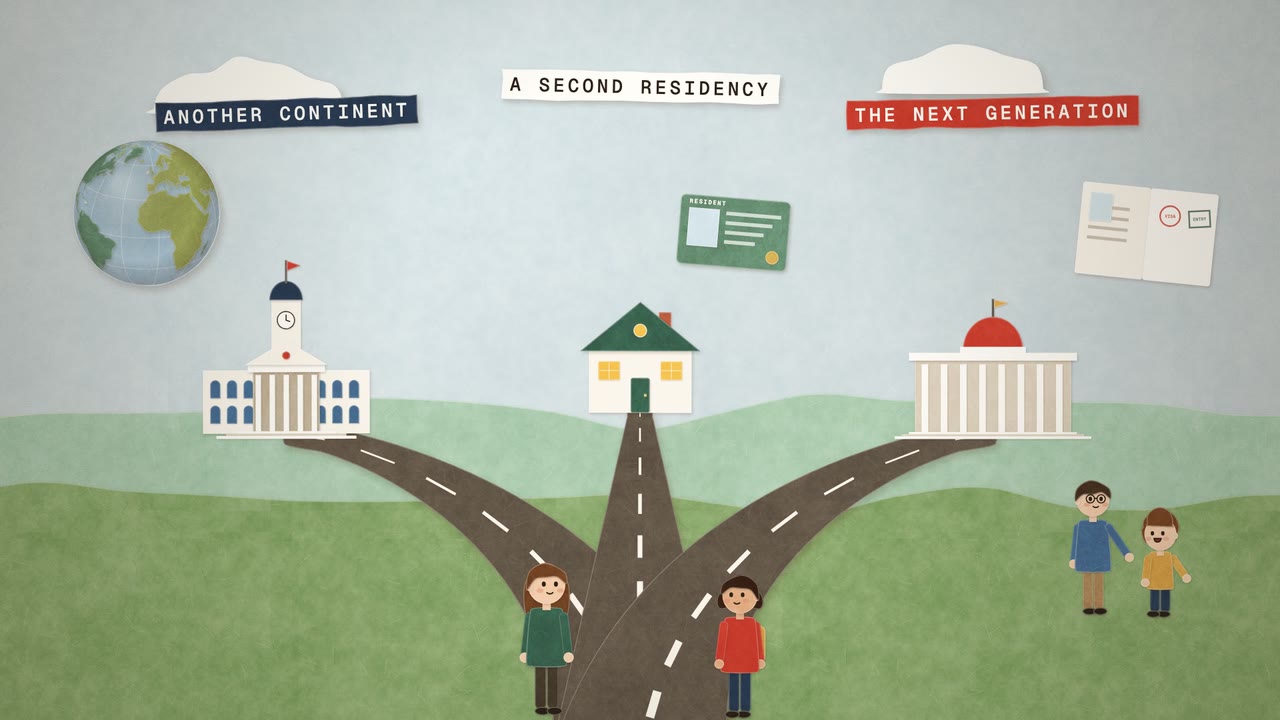
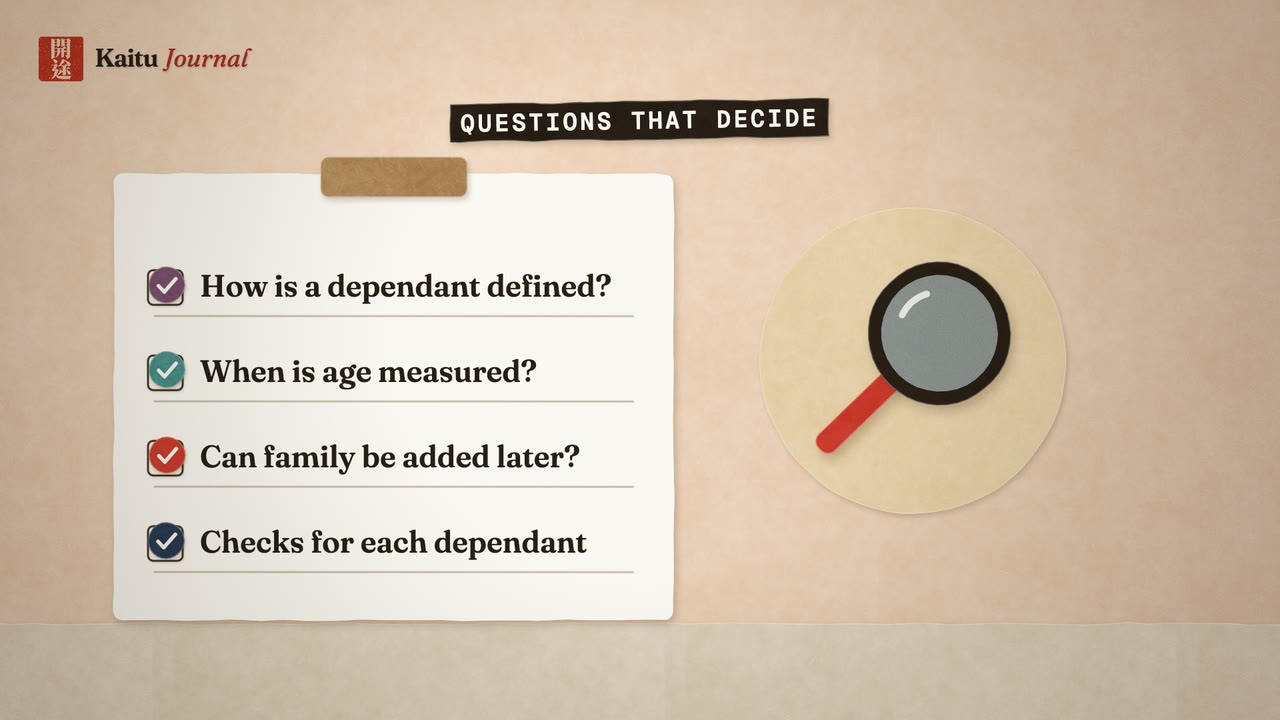
For most families, investment migration is a family decision. The main applicant may be the one making the investment, but the purpose is usually to secure options for a spouse, children and sometimes parents too. Who can be included, and on what terms, varies more than many people expect.
The main applicant and dependants
Most programmes are built around a main applicant, who makes the qualifying investment and meets the core requirements. Family members are then added as dependants. Their status is often linked to that of the main applicant, at least at first, which has practical consequences:
- A dependant's permit may need to be renewed alongside the main applicant's.
- A change in the main applicant's circumstances can affect the whole family.
- Some programmes allow dependants to be added later; others expect everyone to be included from the start.
Spouses and partners
A legally married spouse is included in almost every programme. Beyond that, practice differs. Some countries recognise civil partnerships or long-term partners, while others accept only formal marriage. Where recognition is uncertain, it is worth checking early, as it can shape the choice of programme.
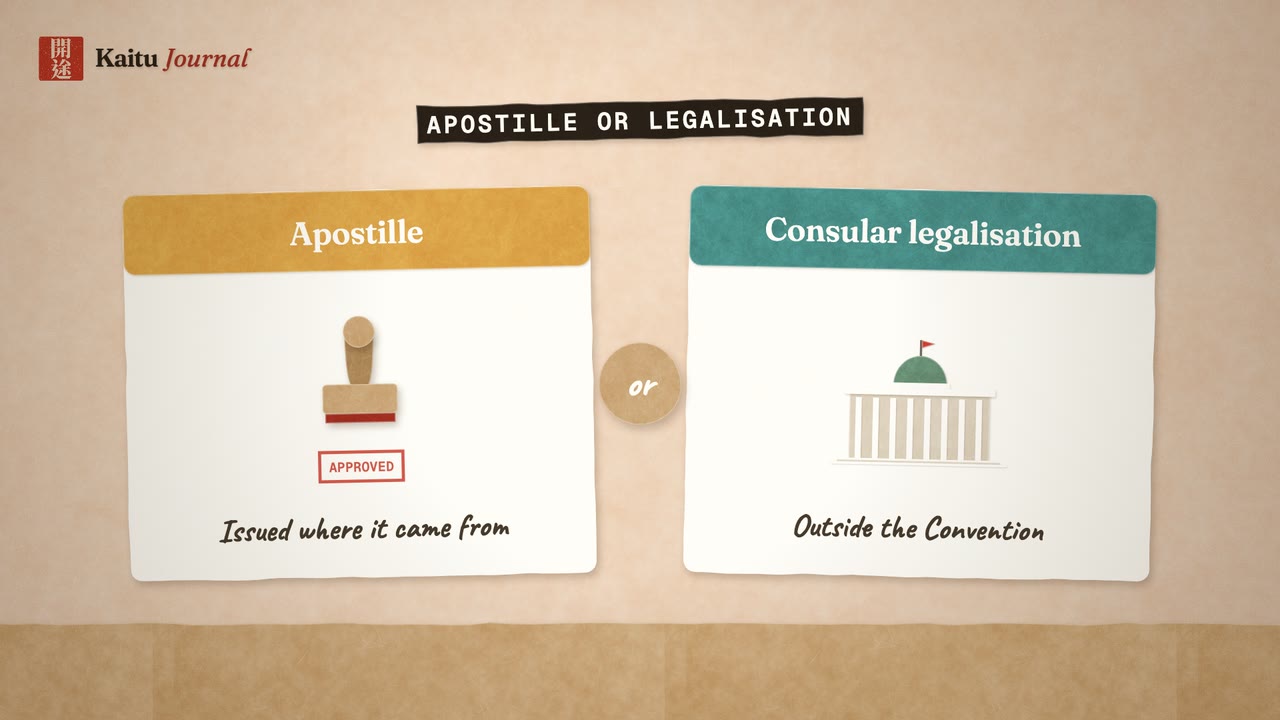
Expect to provide a marriage certificate, properly legalised or apostilled and translated where needed, and to show that any previous marriages have ended.
Children, including adult children
Minor children are usually straightforward to include, although you will need consent from any parent who is not part of the application, or a court order where relevant.
Adult children are where rules diverge most. Programmes commonly set conditions such as:
- An upper age limit, which differs from programme to programme.
- Financial dependence on the main applicant.
- Being unmarried, or not having children of their own.
- Being in full-time education.
Timing matters here. A child who qualifies today may not qualify by the time the application is submitted, so the age and status rules should be checked against a realistic timeline.
Parents and grandparents
Some programmes allow parents, and occasionally grandparents, of the main applicant or spouse to be included. Conditions often relate to age and financial dependence, and some programmes require that dependent parents live with the family. Others do not include parents at all, which can be decisive for families who want to keep generations together.
Other dependants
Siblings, step-children, adopted children and children under guardianship are treated differently by each programme. Adoption and guardianship in particular need careful documentation, and the legal recognition of foreign orders cannot be assumed. If your family structure is anything other than the simplest case, raise it at the very beginning.
Documents and due diligence for the whole family
Every included adult will normally go through background checks, and each family member needs a complete set of civil documents. Common requirements include:
- Passports and birth certificates for everyone included.
- Marriage, divorce or death certificates, as relevant.
- Police certificates for adult dependants.
- Evidence of dependence, such as proof of enrolment or financial support.
- Medical certificates, where the programme requires them.
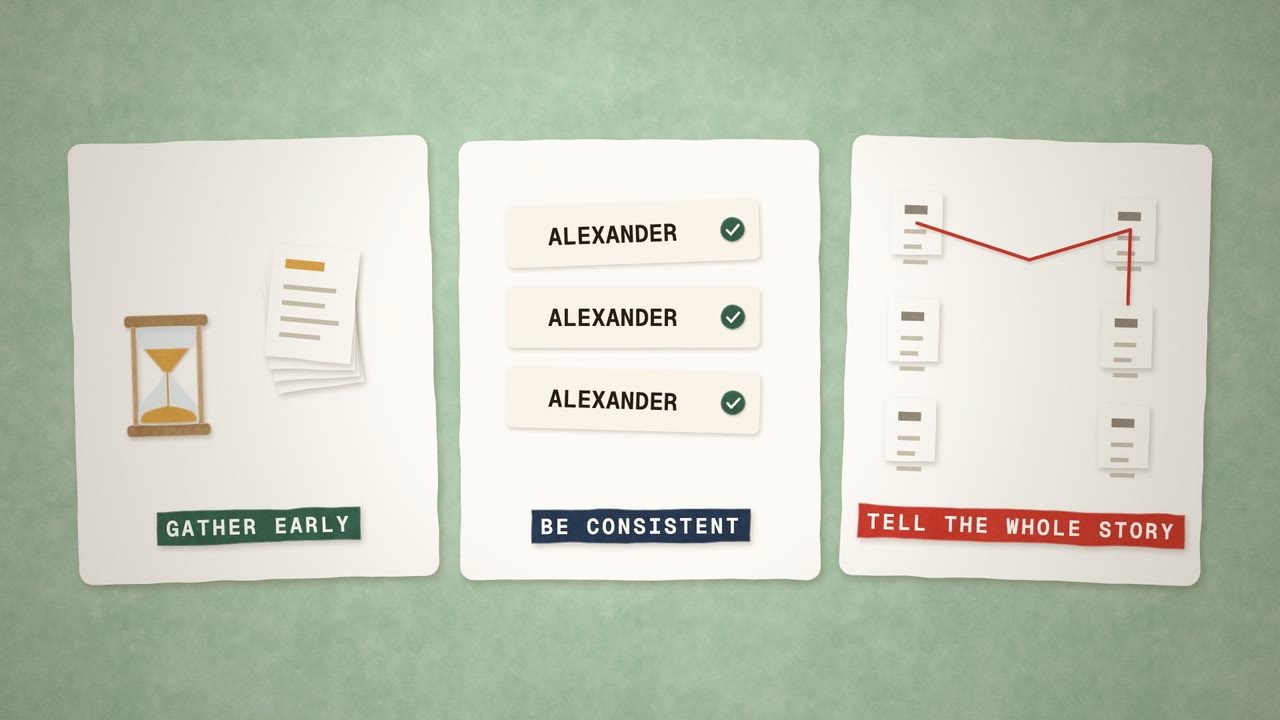
Consistency across these documents is as important for dependants as it is for the main applicant.
Thinking about the future
It is worth considering how the family may change. Children grow up, marry and move away. A dependant's status may need to become independent at some point, and the route for doing so is not always obvious. Programmes also amend their dependant rules from time to time, so the current official position should always be confirmed before you commit.
How Kaitu helps
We start every engagement by understanding the whole family, not just the main applicant, and then identify which programmes accommodate everyone you want to include. To discuss your family's circumstances privately, book a free consultation, or explore our residency guidance.