The immigration side of a move tends to dominate planning, yet many of the most stressful moments come from everything else: a dog that cannot board a flight, a car that cannot be registered, or a prescription that is not recognised. Each of these runs on its own timetable, and some take longer than the visa itself.
Pets
Animal import rules are set by each destination and can be strict. Requirements commonly involve some combination of:
- a microchip meeting a recognised standard, fitted before certain vaccinations;
- rabies vaccination, sometimes followed by a blood test and a waiting period;
- treatments for parasites within a set window before travel;
- an official health certificate signed by an authorised vet and, in some cases, endorsed by a government veterinary authority;
- quarantine on arrival in some countries.
The sequence matters, and some steps cannot be rushed, so start by reading the destination's official guidance and working backwards from your travel date. Airlines also set their own rules on breeds, crates, seasons and routes, which may be stricter than the country's. A specialist pet relocation service can be worth considering for long or complex journeys.
Cars and driving
Deciding whether to take a car usually comes down to import rules, conformity standards and practicality. Some countries make it straightforward for new residents to bring a vehicle they have owned for a while; others impose technical modifications, inspections or duties that make it impractical.
Driving licences deserve attention too. Depending on the countries involved, you may be able to drive on your existing licence for a period, exchange it for a local one, or need to pass a local test. An international driving permit can help in the short term in some places. Check the rules early, particularly if a job or school run depends on driving from the first week.
Health records and medication
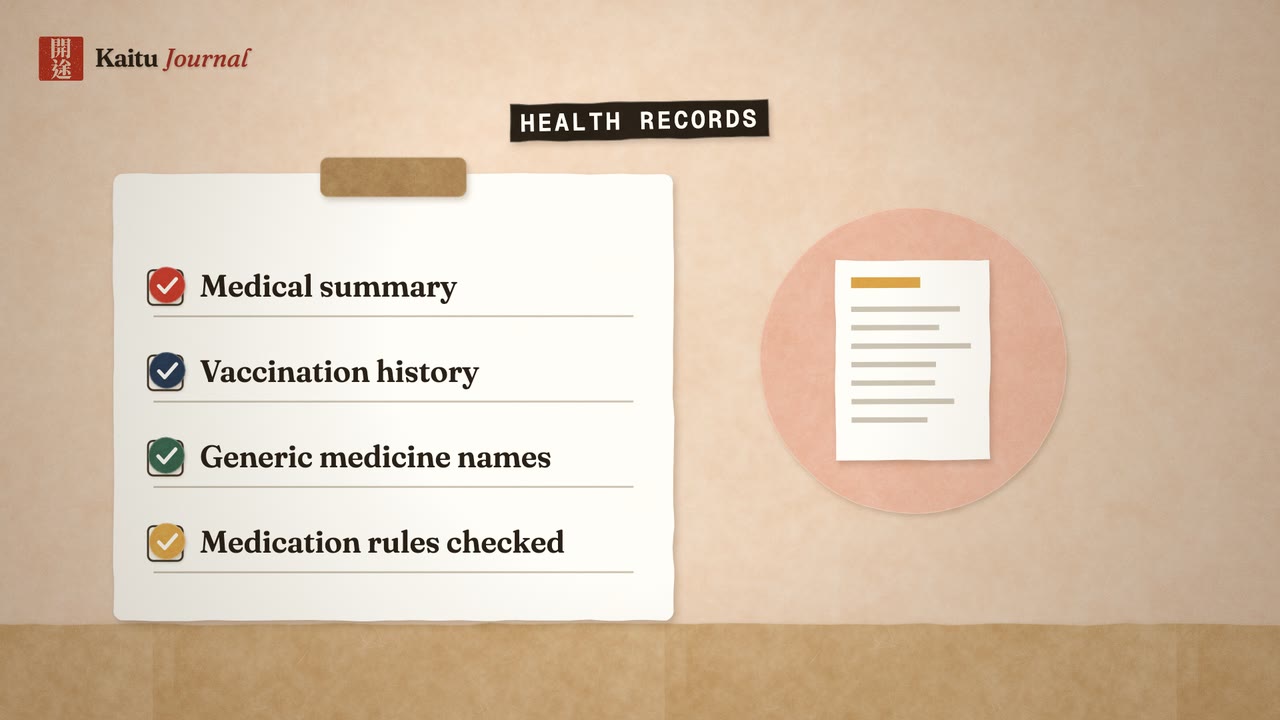
Bring a clear record of each family member's health history, translated where helpful:
- vaccination records, especially for children starting school;
- summaries of ongoing conditions and treatments;
- recent prescriptions, with generic drug names rather than brand names;
- dental and optical records.
Some medicines that are routine in one country are controlled or unavailable in another. If anyone relies on regular medication, check whether it can be carried in, in what quantity, and with what paperwork. Arrange enough supply to cover the gap until you are registered with a local doctor.
Household goods
Shipping belongings means choosing between sea freight, air freight and buying afresh. Many people find a combination works best: a small air shipment for essentials and a larger sea shipment that arrives later.
Customs treatment of household goods varies. Some countries allow new residents to import used personal effects with fewer formalities if certain conditions are met, often linked to residence status and timing. You will usually need a detailed inventory. Items such as alcohol, plants, food, weapons and some electronics can be restricted.
Before packing, it is worth checking voltage and plug types, whether appliances will work, and whether large furniture will suit the size of a typical home in your new city.
Bringing it together
Each of these strands has its own lead time. A simple plan that lists them side by side, with the earliest start dates marked, helps avoid surprises:
- Pet preparation, which can take the longest.
- Car and licence decisions.
- Health records and medication supply.
- Shipping quotes, inventory and customs paperwork.
How Kaitu can help
We help families build a single relocation plan that sits alongside the immigration timeline, and connect them with trusted specialists where needed. To start planning, book a free consultation or browse our resources.